TLDR:
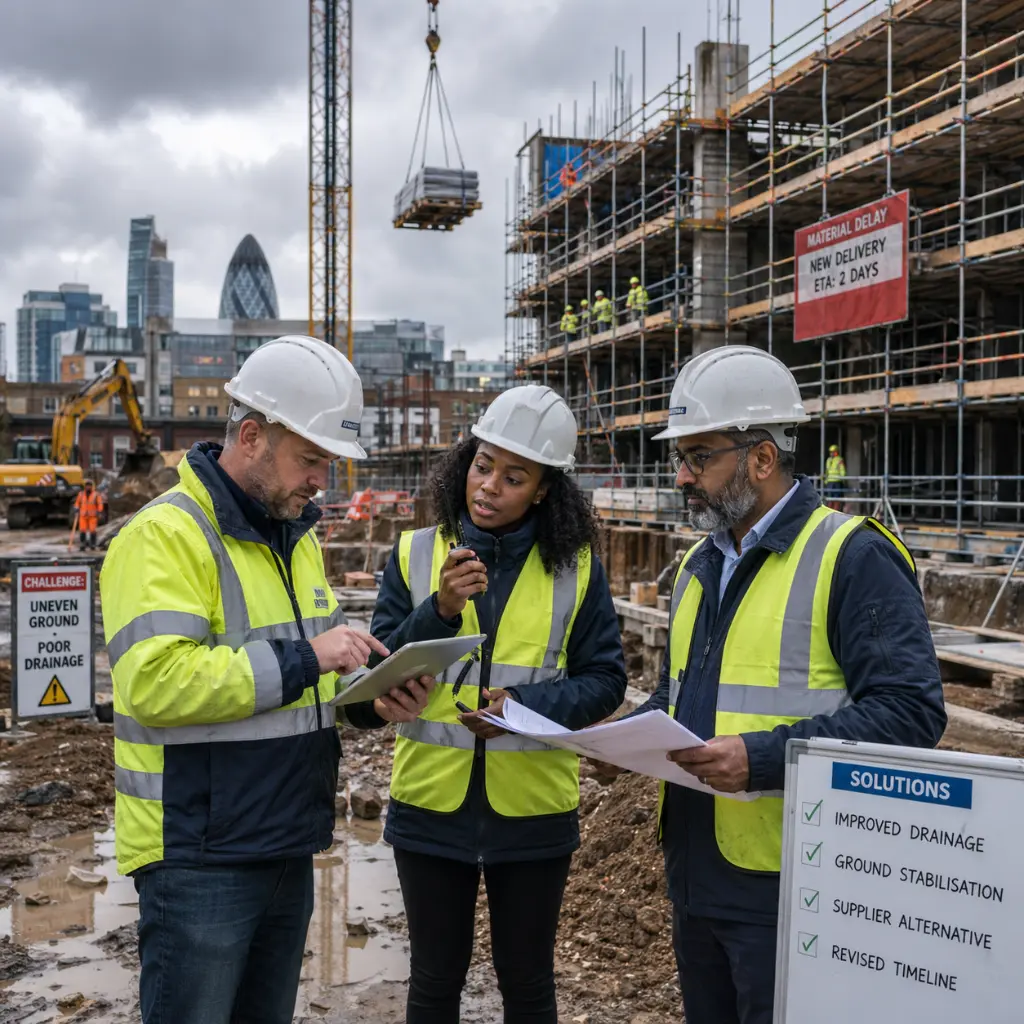
Every construction project faces challenges. The difference between a good builder and a great one is not whether problems occur but how quickly and confidently they are resolved. This guide covers the most common construction problems on site, their root causes, and the practical steps professional builders use to prevent and overcome them.
Introduction
Construction is one of the most complex industries in the UK. Every project involves dozens of trades, tight programmes, planning requirements, and materials that must come together in the right sequence. When something goes wrong, the costs go up and the programme slips.
Understanding the most common construction problems and knowing how to address them is what separates professional builders from the rest. This guide covers the key challenges encountered on UK construction sites and how experienced teams handle them effectively.
Table of Contents
1. Why Construction Problems Are Common But Manageable
2. The Most Common Construction Problems on Site
3. Quick Reference: Problems, Causes, and Solutions
4. How Professional Builders Prevent These Problems
5. What to Look for When Choosing a Builder
6. Conclusion
Why Construction Problems Are Common But Manageable
No construction project runs perfectly from start to finish. Industry data consistently shows that the same defect types recur across new build homes year after year. These are not random occurrences. They have known causes and, importantly, known solutions.
The key insight is this: most construction problems stem from a small number of root causes. Poor planning, inadequate supervision, rushed workmanship, and communication breakdowns account for the vast majority of issues. Address those, and you address most of the problems.

The Most Common Construction Problems on Site
1. Structural and Foundation Defects
Problems with foundations, load-bearing walls, and structural frames are among the most serious and costly defects in construction. They typically result from poor site investigation, incorrect sequencing, or misunderstandings about ground conditions.
How builders overcome it: a thorough ground investigation before work begins, strict adherence to structural engineer specifications, and building control inspection at the excavation stage before any concrete is poured.
2. Waterproofing and Damp Failures
The UK climate makes moisture management one of the most critical aspects of any build. Failures in damp-proof courses, membrane installations, roof flashings, and inadequate drainage cause long-term damage to structures and significant costs to put right.
How builders overcome it: correct detailing at junctions, proper lapping of membranes, careful installation of DPC at the correct height, and adequate roof ventilation. These are not difficult fixes but they require attention to detail at every stage.
3. Poor Workmanship and Snagging
Snagging issues, such as uneven surfaces, cracked finishes, misaligned joinery, and poor tiling, are the most visible common issues when building a house. They are usually caused by time pressure, insufficient supervision, or allowing trades to move on before work has been properly checked.
How builders overcome it: structured snagging checks at the end of each trade’s work, not just at handover. Catching finish issues early is far cheaper than resolving them after other trades have worked around them.
4. Project Delays and Programme Overruns
Research consistently shows that the majority of construction projects experience some form of delay. Common causes include late material deliveries, subcontractor availability, adverse weather, and planning or building control delays.
How builders overcome it: realistic programming that builds in contingency at key stages, early procurement of long-lead materials, and regular site meetings to identify emerging issues before they become programme-critical.
5. Cost Overruns and Budget Creep
Unexpected costs are a common problem on construction sites. They arise from variations to the design, unforeseen ground conditions, hidden structural problems in renovation work, and scope changes that are not properly costed before work proceeds.
How builders overcome it: a detailed pre-construction survey, clear contract documentation covering how variations are priced and approved, and a contingency budget of at least 10% on renovation projects where unknowns are higher.
6. Miscommunication Between Trades and Teams
On a busy construction site, poor communication is a constant risk. When the plumber and electrician both need to work in the same area at the same time, or when a subcontractor arrives without the information they need, time is lost and mistakes are made.
How builders overcome it: a clear programme shared with all trades in advance, regular short site briefings, and one point of contact who coordinates between subcontractors. Good communication does not happen by accident on a construction project.
When to Call a Professional
Some site problems need specialist input the moment they appear. Knowing when to escalate protects both the programme and the budget.
Unexpected cracking in load-bearing walls or any sign of foundation movement should never be monitored and revisited. Early specialist involvement almost always costs less than waiting.
Persistent damp ingress after remedial work, particularly in basements, flat roofs, or party wall junctions, is rarely solved by repeated patching. Without proper diagnosis the repair bill tends to grow.
Concerns about whether work meets regulatory standards on foundations, fire stopping, or structural connections should always be raised with the appropriate authority early. Involving them at the right stage is a sign of a professional builder, not a weakness.
What to Look for When Choosing a Builder
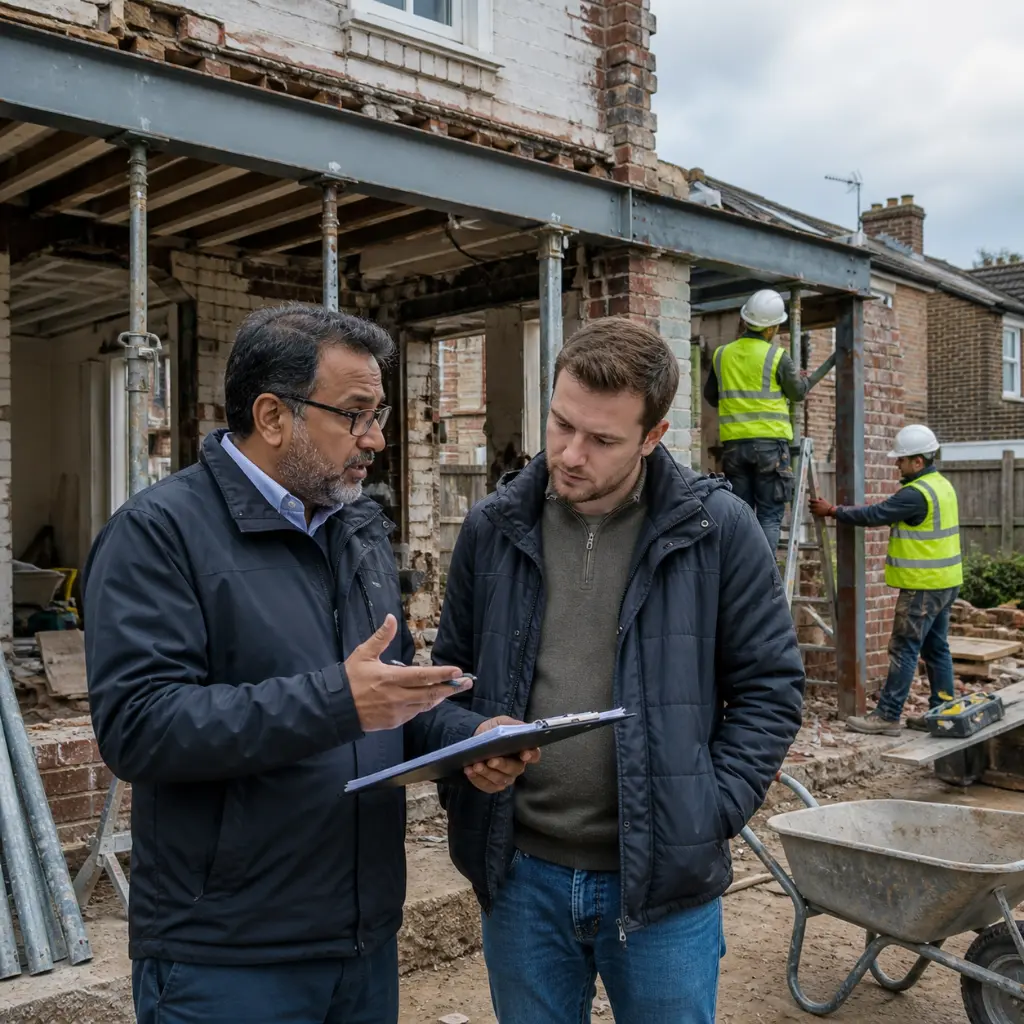
For homeowners and developers, understanding common construction problems also helps you choose the right contractor. Look for a builder who:
• Carries out a proper site survey and asks detailed questions before pricing the work
• Provides a clear written contract that covers variations, payment stages, and programme milestones
• Has a track record of completed projects and is willing to provide references
• Communicates proactively when issues arise rather than waiting until handover
• Works in a way that is fully compliant with building regulations and welcomes building control involvement
New build defects and common issues are not inevitable with the right team in place. The builder you choose sets the standard for every trade that follows them on site. A practical framework for vetting and appointing the right contractor can help you take that decision further.
Conclusion: Problems Are Predictable. Good Builders Prepare for Them.
Common construction problems are not mysteries. They have recognisable causes and well-established solutions. The difference on any project is whether those solutions are applied consistently, by a team that takes quality seriously at every stage.
Whether you are building a new home, extending an existing property, or undertaking a commercial construction project in the UK, the builder you work with makes all the difference.
Work With a Builder Who Gets It Right First Time
Ionesi Development is a UK construction company with a reputation for quality workmanship, clear communication, and projects delivered to specification. We understand the common challenges in construction because we deal with them every day.
Visit: ionesidevelopment.co.uk to discuss your project with our team.