Introduction
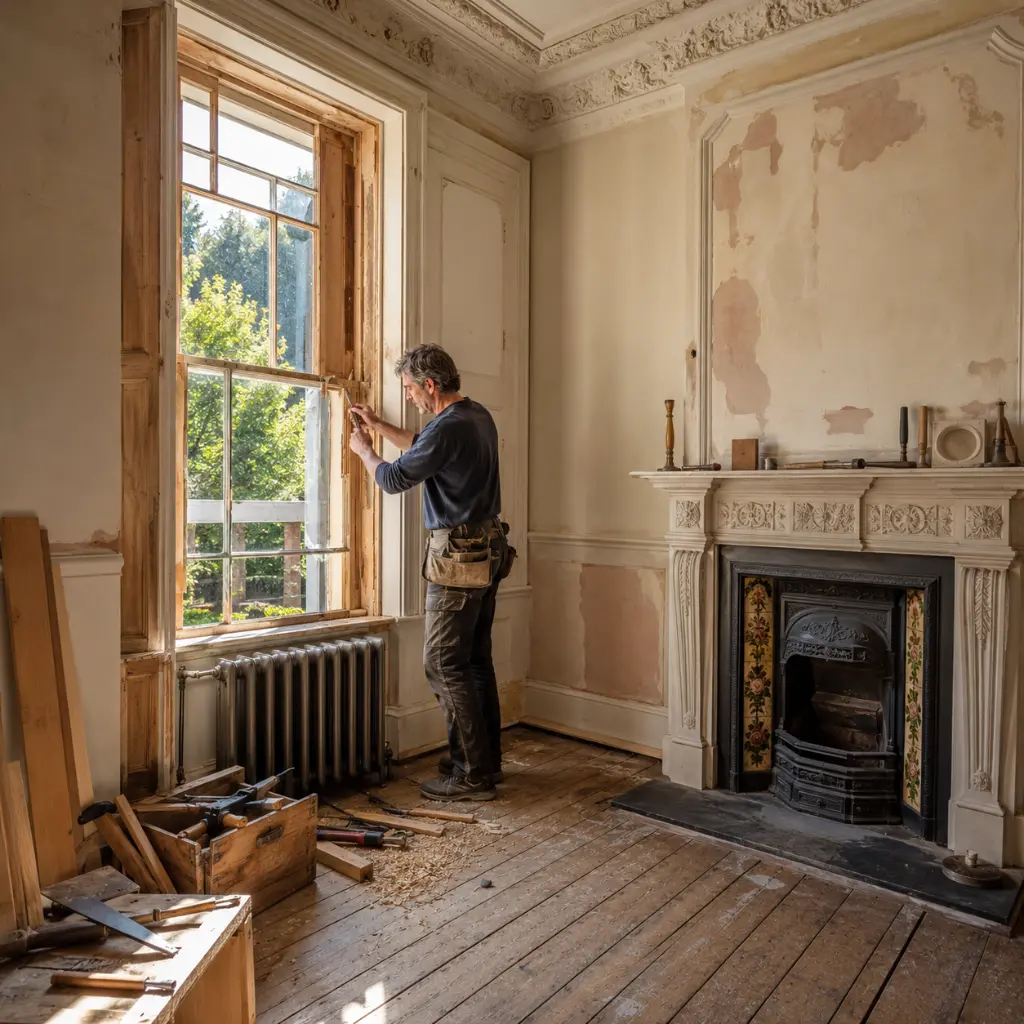
There’s a particular satisfaction in restoring an older home. Original sash windows, decorative cornices and well-worn floorboards bring a level of character that newer properties rarely replicate. However, period property restoration involves far more than a standard refurbishment. Older construction methods, traditional materials and hidden defects can all influence how a project should be approached. Careful planning at the outset is often what separates a successful restoration from unexpected challenges later on. Older buildings require specialist knowledge to balance preservation with modern living requirements. Seeking advice from period property renovation specialists early in the process can help avoid decisions that may compromise the property’s character or long-term performance. This guide explores the key considerations, from surveys and permissions to materials, original features and realistic budgeting.
What Makes Period Property Renovation Different?
A period home cannot be treated like recent housing stock. These properties were built using techniques and materials suited to their time, and decisions that work well in a new build can cause real problems in an older one. Solid masonry walls, lime-based finishes and traditional timber structures all respond to moisture and movement in their own way. Approaching the property sympathetically rather than imposing modern methods onto it protects both its character and its long-term value.
Understanding Your Home Before Renovating a Period Property
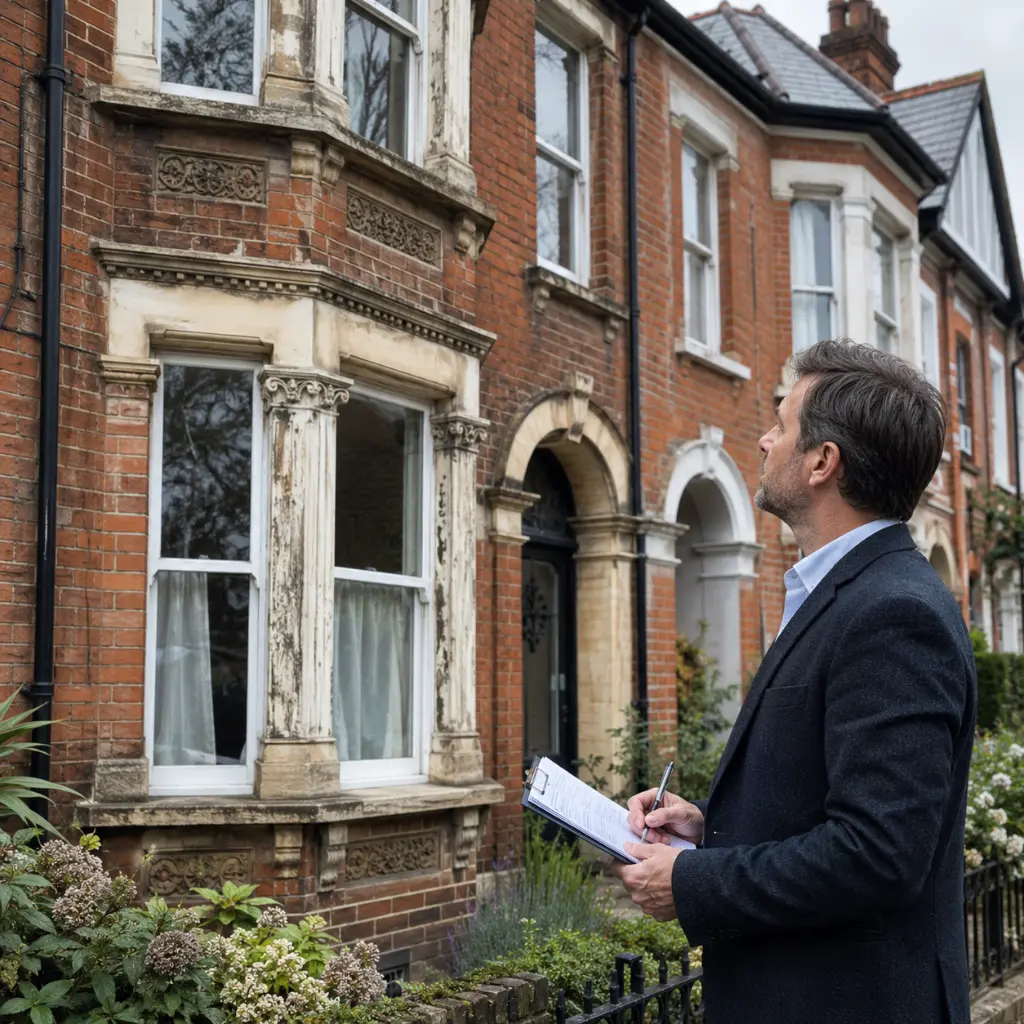
Identifying when your home was built helps you anticipate what you’re dealing with. Georgian properties tend to favour symmetry, tall ceilings and elegant proportions, often with solid masonry walls. Victorian terraces are perhaps the most common, recognisable by their bay windows, decorative brickwork and original fireplaces, though they’re prone to damp and dated services. Edwardian homes usually offer more generous room sizes and simpler detailing. Knowing the era gives you a useful starting point for both the period features worth keeping and the issues likely to appear.
Start With a Full Survey Before a Period House Renovation
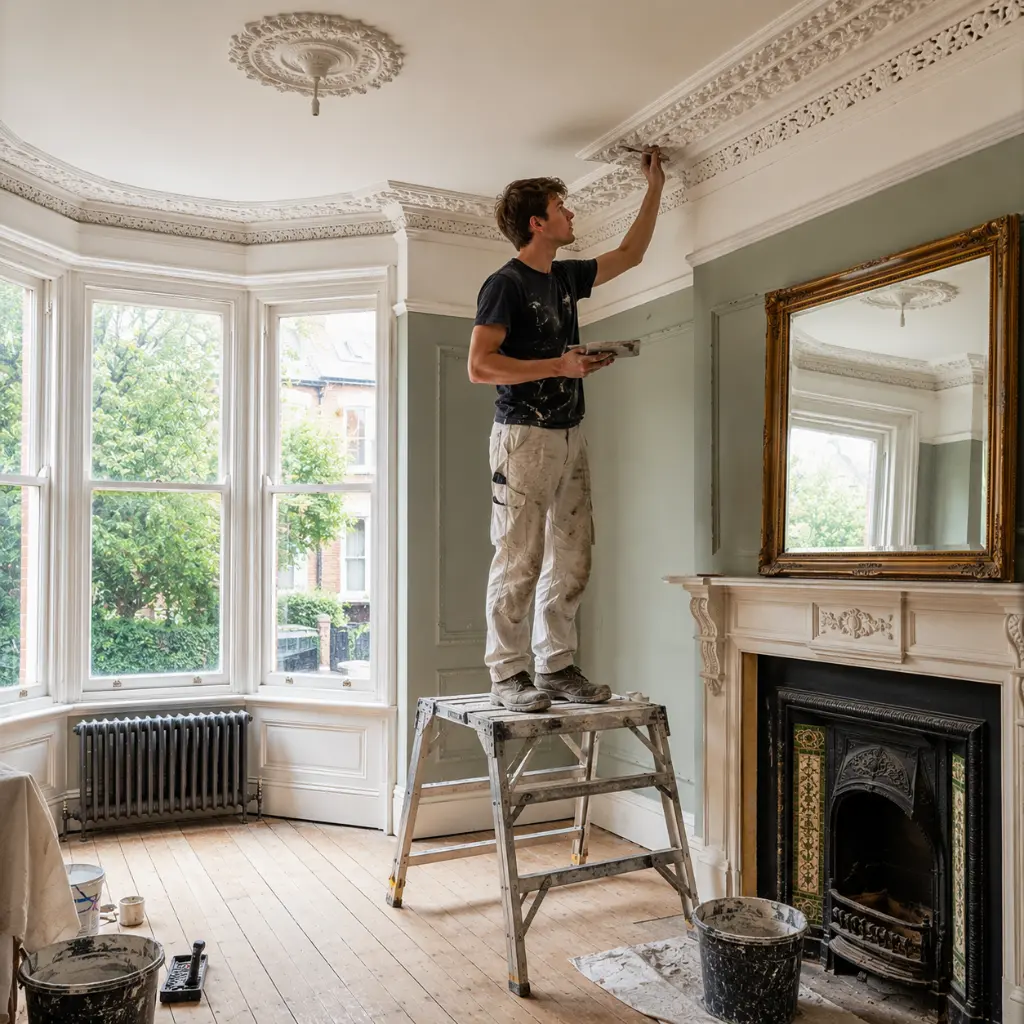
The temptation to start on the visible, satisfying work is understandable, but assessment must come first. A thorough survey tells you what condition the property is genuinely in, rather than what it appears to be on the surface. This single step often determines whether a project runs smoothly or encounters unexpected complications, so it’s worth the time and cost.
Structural and Damp Assessment
A thorough building survey can help identify issues commonly found in older properties, including timber decay, roof defects, floor movement and signs of moisture ingress. Period homes may also contain evidence of previous repairs that were not carried out using appropriate materials or methods, which can sometimes contribute to ongoing problems. Moisture-related issues, in particular, should be carefully investigated before any treatment is recommended, as the source is not always immediately obvious. Taking the time to establish an accurate diagnosis allows repairs to be prioritised correctly and helps avoid unnecessary or ineffective remedial work later in the project.
Older Systems and Hidden Hazards
Beyond structure, the property’s services and materials deserve scrutiny. Wiring and plumbing in an unmodernised period home are often well past their useful life and may not meet current standards. In properties of a certain age, an asbestos survey is also sensible, as the material was widely used in older insulation, flooring and textured finishes. Knowing what’s there allows you to handle it safely and budget accordingly.
Planning Rules for Period Property Renovation Projects
The regulatory side of period property restoration is often one of the most overlooked aspects of restoration projects. Older homes frequently sit within frameworks that ordinary properties don’t, and assuming standard permitted development rights apply can lead to costly mistakes. Checking your home’s status before committing to any design is essential.
When Listed Building Consent Applies
If your home is listed, the protection extends to far more than its exterior. Internal features, layouts and even fixtures can fall under the listing, meaning many alterations require listed building consent. Working alongside a conservation officer at an early stage helps you understand what’s permitted and shapes a realistic plan. Carrying out unauthorised work to a listed building is a serious matter, so clarity here is non-negotiable.
Renovating Within a Conservation Area
Even unlisted homes within a conservation area face additional controls. Conservation area regulations often restrict changes to windows, roofing, external materials and boundary treatments, and permitted development rights may be reduced. A quick conversation with your local planning authority before finalising plans confirms exactly where approval is needed and saves disappointment later.
Why Breathable Materials Matter in Period Home Renovation
Many period properties were built using breathable materials such as lime mortar and lime plaster, which allow moisture to move through the building fabric and evaporate naturally. Introducing modern cement-based products or impermeable sealants can disrupt this process, trapping moisture within solid walls and increasing the risk of damp, damaged plaster and timber decay. Using compatible materials such as lime-based finishes, breathable insulation and reclaimed bricks where appropriate helps maintain the building’s natural performance. Traditional materials are not simply about preserving appearance; they play an important role in protecting the long-term condition and character of older properties.
Preserving Original Features During an Old House Renovation
The features that give a period home its character are usually the hardest to replace and the easiest to lose through hasty decisions. A considered approach weighs what genuinely needs work against what can be retained and restored.
Windows, Joinery and Decorative Detail
Original sash windows can almost always be repaired rather than replaced, and where draughts or noise are a concern, secondary glazing offers an effective, sympathetic improvement. Cornices, ceiling roses, fireplaces and original floorboards are well worth preserving; floorboards in particular can be sanded and refinished to excellent effect. The principle is straightforward: restore where you can, replace only where you must, and match any new work carefully to what’s already there. The same considered approach should extend to redecorating, as the choice between matt and silk paint can influence how successfully original features and period surfaces are showcased.
Modernising a Period Property Without Losing Character
Honouring a home’s heritage doesn’t mean accepting cold rooms and outdated systems. The skill lies in introducing modern comfort without erasing the qualities that make the property special.
Rewiring, Plumbing and Energy Efficiency
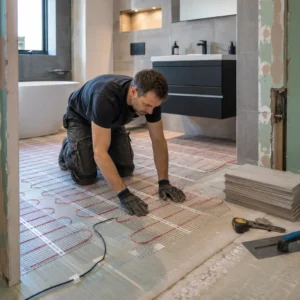
Full electrical rewiring and updated plumbing are often unavoidable in an unmodernised period home, and they’re best tackled before decorative work begins. On efficiency, period homes respond well to measured upgrades: draught proofing, loft insulation and secondary glazing all improve heat retention without compromising the building’s ability to breathe. The aim is steady, sensible improvement rather than wholesale change.
Improving Natural Light Sympathetically
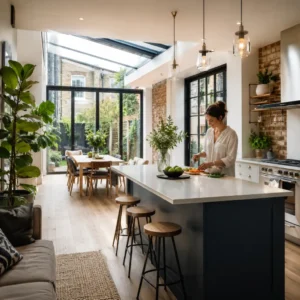
Many older homes have darker hallways and rear rooms. Skylights can transform these spaces, drawing daylight into areas that have always felt gloomy. Where a more open feel is wanted, thoughtful changes to a layout can work well provided the property’s original proportions and key features are respected rather than swept aside.
Budgeting for a Period Property Renovation
Period property restoration rarely follows a straight line, so realistic financial planning matters. Older homes have a habit of revealing unexpected work once you start, which is why a contingency fund set aside specifically for surprises is a sensible safeguard. Sequence the work logically, dealing with structural repairs, damp and services before any finishes, so you’re never undoing completed work. Above all, prioritise the integrity of the building over cosmetic touches; sound foundations and dry walls protect every other pound you spend.
Conclusion
Successful period property restoration relies on understanding how older buildings were constructed and making decisions that respect their character. Careful planning, appropriate materials and attention to original features all contribute to a more durable and authentic result. Taking the time to address structural, regulatory and conservation considerations early can prevent costly issues later. Ionesi Development works with homeowners to deliver restorations that balance heritage character with modern living requirements.