TLDR:
Renovating and rebuilding are both valid routes, but the right choice depends on your budget, the condition of your property, planning rules, and your long-term goals. This guide gives you the honest comparison and decision framework that no other source provides.
Introduction
You love your location but your home no longer works for you. The question most UK homeowners face at that point is whether to renovate what they have or knock it down and start again. Getting advice from a trusted UK construction specialist like this experienced building team can help you understand the practical implications of both options before making a decision.
Both options are valid. Both carry significant costs, timescales, and planning implications. This guide gives you a clear, honest comparison so you can make the decision that is right for your property and your budget.
Table of Contents
1. What Is the Difference Between Renovating and Rebuilding?
2. The Real Cost Comparison in the UK
3. Planning Permission: What Each Route Requires
4. When Should You Renovate?
5. When Should You Rebuild?
6. Renovation vs Rebuild: Side-by-Side Comparison
7. 5 Questions to Ask Before You Decide
8. Conclusion
What Is the Difference Between Renovating and Rebuilding?
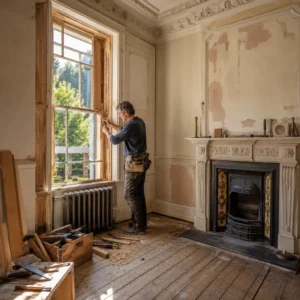
Renovation means improving or updating your existing property without demolishing the main structure. This can range from cosmetic changes like new kitchens and bathrooms through to structural work such as extensions, loft conversions, or reconfigurations.
A rebuild means demolishing the existing structure entirely and constructing a new property in its place. You keep the plot, the location, and often the footprint, but everything above ground is new.
The lines between the two can blur. A very extensive renovation that retains only the foundations and external walls starts to look a lot like a rebuild, and the costs reflect that.
The Real Cost Comparison: Renovation vs Rebuild in the UK
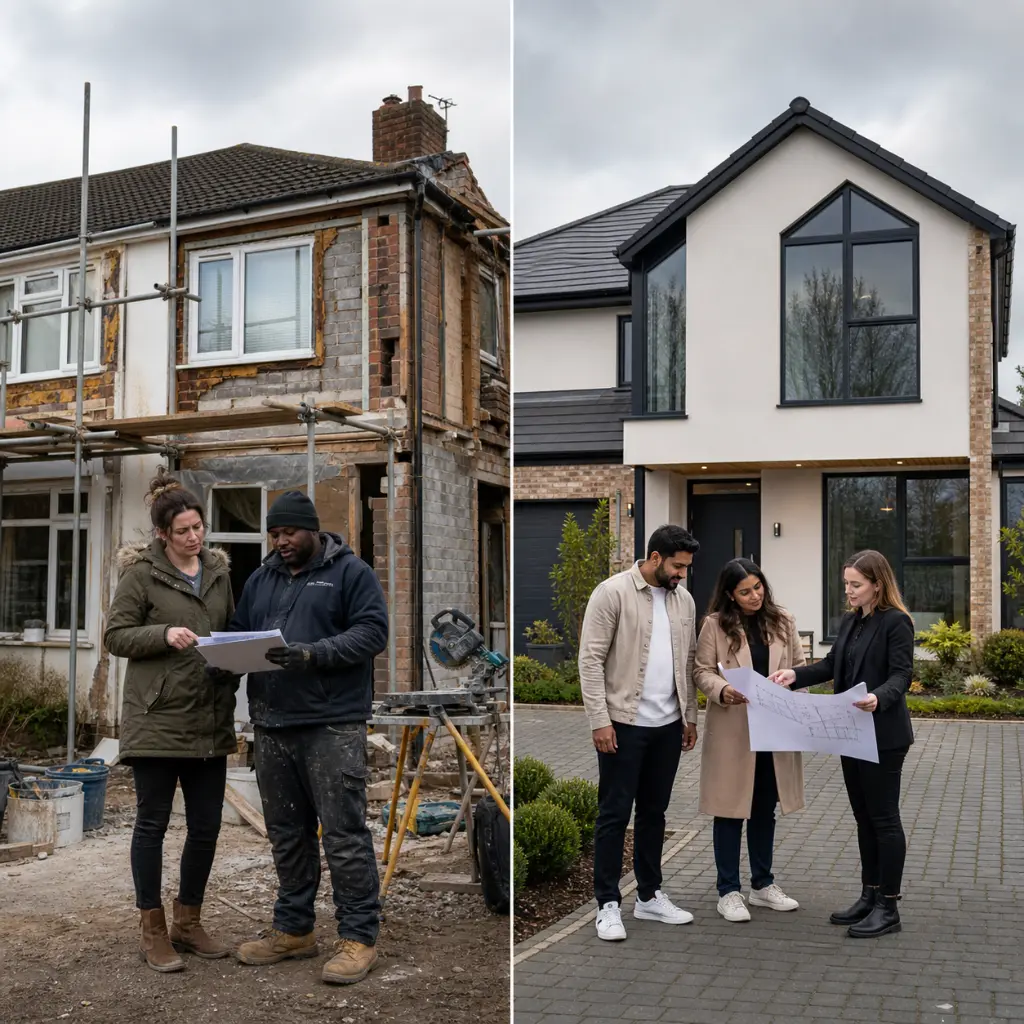
The widely held belief that renovating is always cheaper than rebuilding is not always accurate. The final costs depend heavily on the condition of your existing property.
Why a Rebuild Can Be Cheaper Than You Think
One factor most UK homeowners miss is VAT. New builds are zero-rated for VAT purposes under HMRC rules, meaning you pay 0% VAT on most materials and labour. Renovations, however, are subject to the standard 20% VAT rate in most cases.
On a project costing £300,000 in labour and materials, that VAT difference alone is £60,000. For larger schemes the saving is even greater. This is why a rebuild often ends up comparable in total cost to a major renovation, and sometimes cheaper.
Hidden Costs in Renovation That Catch Homeowners Off Guard
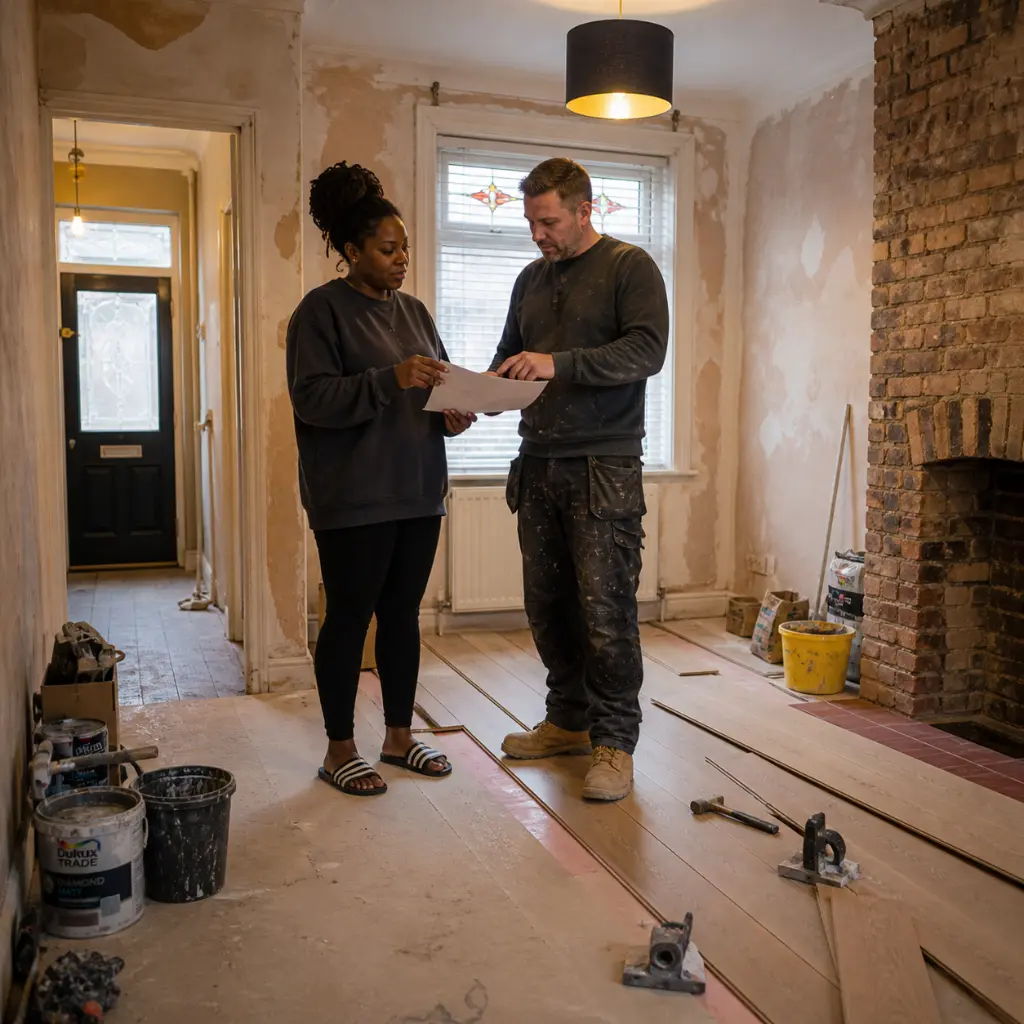
Older properties carry risks that only become visible once work begins. Many of these issues stem from underlying construction challenges that are not always apparent at survey stage, as explained in common construction challenges and solutions. Common surprises include:
• Asbestos surveys and removal (required in properties built before 2000)
• Structural defects hidden behind walls, floors, or ceilings
• Outdated electrical wiring or drainage systems requiring full replacement
• Subsidence or damp issues that require expensive remediation
• Unforeseen structural work triggered by planning or building regulations
These unexpected costs can push a renovation budget well beyond the original estimate, sometimes to the point where a full rebuild would have been the more economical choice from the start.
Planning Permission: What Each Route Requires
Both renovation and rebuild require you to engage with the planning system, but the requirements differ significantly.
Many renovation works fall under permitted development rights, meaning you do not need formal planning permission. Extensions and loft conversions within certain size limits can often proceed without a full application.
A rebuild almost always requires full planning permission from your local authority. In some areas, particularly conservation zones or where Article 4 directions apply, demolishing an existing dwelling may be refused or heavily restricted. Listed buildings require listed building consent before any significant changes, including demolition.
Both routes require Building Regulations approval, with staged inspections ensuring compliance and build quality. Understanding this process helps you prepare for each phase, as explained in a construction inspection guide. Checking planning constraints early can save time and cost.
When Should You Renovate?
Renovation is likely the better route when:
• The existing structure is sound with no significant damp, subsidence, or structural defects
• The property is in a conservation area or subject to planning restrictions on demolition
• Your changes are primarily cosmetic, functional, or involve adding space through an extension
• You want to retain period features or architectural character that adds value
• Your budget is tighter and the scope of work is clearly defined and limited
• The property is not your long-term permanent home and ROI is the priority
When Should You Rebuild?
A rebuild is likely the stronger option when:
• The existing structure has major structural problems that make renovation uneconomical
• You want a completely new layout, orientation, or significantly larger footprint
• The VAT saving on a new build materially changes the cost comparison in your favour
• The existing property is inefficient, poorly insulated, or built to outdated standards
• You plan to live in the property long term and want it designed precisely to your needs
• Renovation costs are likely to exceed the value the works would add to the property
Renovation vs Rebuild: Side-by-Side Comparison
| Factor | Renovation | Rebuild |
| Typical Cost | £1,000 to £2,500 per sq m | £1,500 to £3,000 per sq m |
| VAT Rate | 20% on most works | 0% on new build (zero-rated) |
| Planning Required | Often not required (permitted development) | Full planning permission required |
| Timescale | Weeks to several months | 12 to 24 months typically |
| Design Freedom | Limited by existing structure | Fully flexible from ground up |
| Hidden Cost Risk | High (asbestos, structural, services) | Lower (known scope from the start) |
| Best For | Sound structures, limited scope | Structural issues, major redesign |
Note: Costs are approximate UK market estimates and will vary by location, specification, and site conditions. Always obtain detailed quotes from qualified contractors.

5 Questions to Ask Before You Decide
- What is the structural condition of the existing property? Have a survey done before committing to either route.
- Does planning permission allow a rebuild? Check with your local authority before assuming demolition is an option.
- How extensive are your changes? If more than 70% of the building needs to change, a rebuild may be more cost-effective.
- What is your long-term plan? A rebuild makes more sense if this is your forever home than if you plan to sell within five years.
- Have you factored in the VAT difference? Get your builder or quantity surveyor to model both routes including the VAT impact.
Conclusion: There Is No Universal Answer
Neither renovation nor rebuild is universally cheaper or better. The right answer depends on what you are starting with, what you want to achieve, and the financial and planning realities of your specific property.
What matters most is getting accurate information before you commit. A structural survey, a conversation with a planning consultant, and a cost comparison that includes VAT will give you a much clearer picture than any rule of thumb.
Not Sure Which Route Is Right for You?
Ionesi Development works with homeowners and developers across the UK on both renovation and rebuild projects. We can help you assess your options honestly, plan your budget accurately, and deliver the outcome you are looking for.
Visit: ionesidevelopment.co.uk to speak with our team today.