Introduction
A renovation is rarely just about solving today’s problems. The kitchen being replaced, the extension taking shape, or the bathroom being redesigned will influence how the home functions for many years to come. Homeowners who remain happiest with their renovations are usually the ones who think beyond immediate finishes and consider how their needs may change over time. To future-proof your home properly means creating spaces that can adapt as lifestyles, technology, and family requirements evolve. For homeowners planning long-term property improvements, insights from trusted UK renovation experts can help ensure today’s renovation decisions continue working well into the future.
Understanding What Future Proofing Really Means
Future proofing may sound like a broad concept, but in practice it simply means designing a home with change in mind. The materials selected, the layout planned, and the systems installed should all support the reality that households evolve. Children grow up, working habits shift, energy costs fluctuate, and mobility needs can change unexpectedly.
The alternative is renovating purely around current circumstances. While that approach may solve immediate issues, homes designed too narrowly around present needs often begin to feel restrictive within a few years. Layouts become impractical, storage runs short, power capacity proves insufficient, and finishes wear faster than expected. A future-focused renovation avoids those problems by allowing flexibility from the outset.
Creating Spaces That Can Adapt Over Time
One of the most valuable features in any renovation is flexibility. Rooms that can change purpose without major building work tend to serve households far better over the long term.
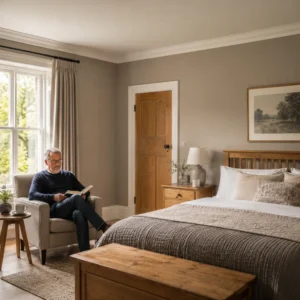
A small bedroom used as a nursery today may later become a teenager’s room, home office, or guest bedroom. Planning for that early by including sufficient sockets, adaptable lighting, and sensible furniture positioning makes future transitions far easier. The same thinking applies to playrooms, which rarely stay playrooms forever. Durable flooring, neutral finishes, and adaptable storage help the space evolve naturally as family needs change.
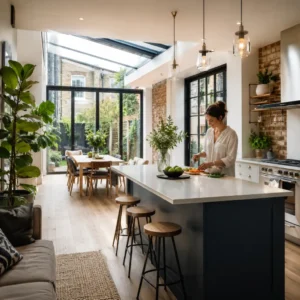
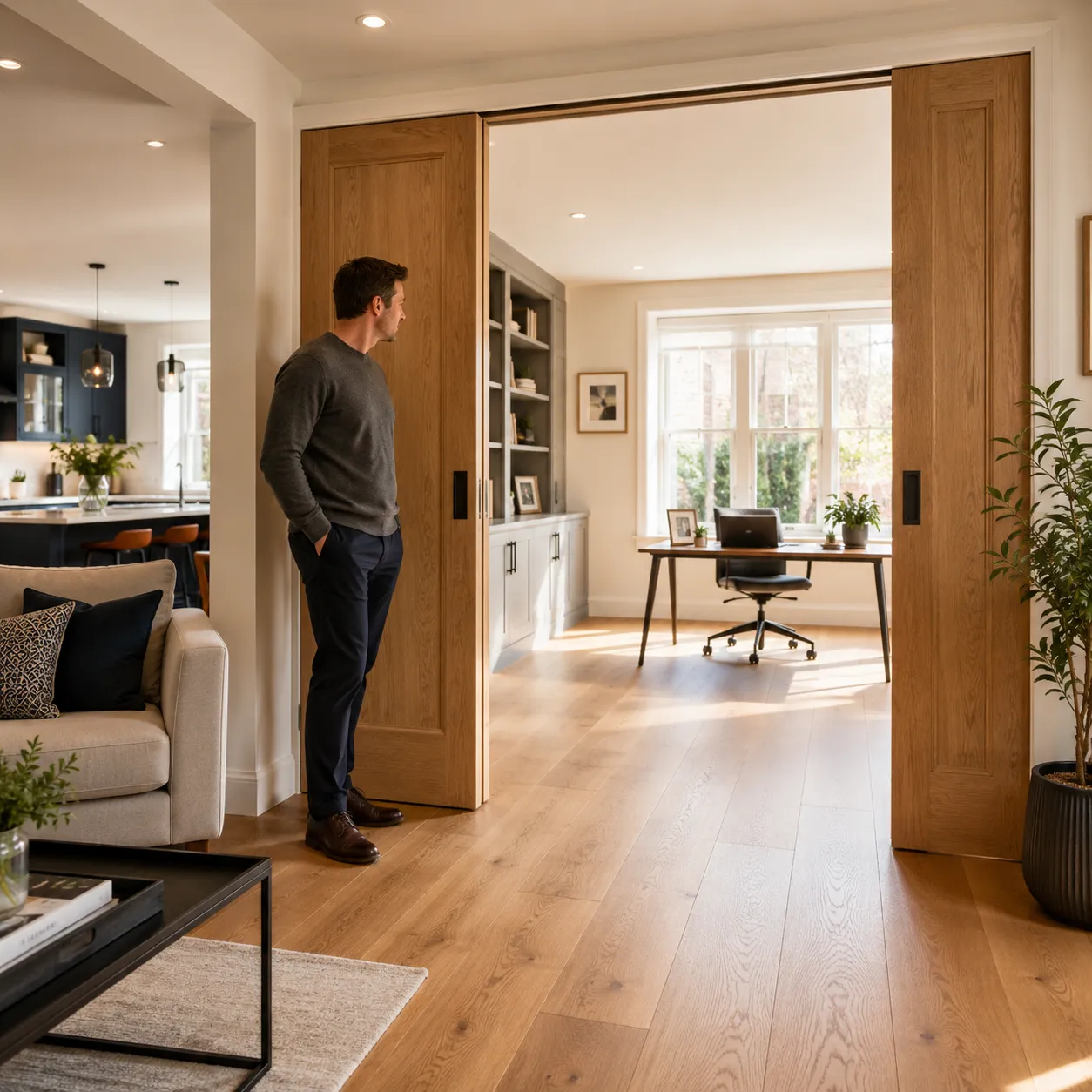
Open-plan living remains popular, but fully open layouts can become difficult as households grow busier. Sliding doors, pocket doors, or flexible partitioning allow spaces to feel open when desired while still offering privacy and separation when needed.
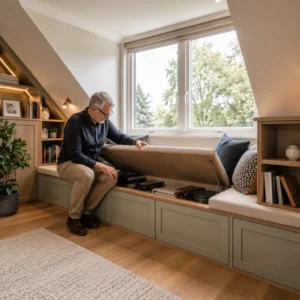
Storage is equally important. Well-designed built-in storage prevents clutter from gradually overtaking living areas and reduces the need for bulky freestanding furniture later on.
Making Energy Efficiency a Core Part of the Renovation
Energy efficiency has become one of the most important aspects of modern home renovation. Rising energy costs, stricter UK building standards, and increasing environmental awareness mean homeowners are placing far greater value on efficient, comfortable homes.
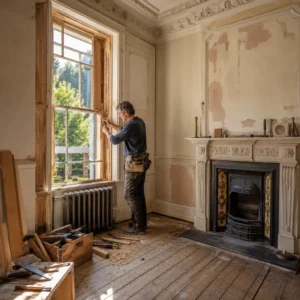
The biggest improvements usually come from upgrading the building fabric itself. Loft insulation remains one of the most cost-effective upgrades, especially in older properties where existing insulation may have deteriorated over time. Wall insulation can also significantly improve comfort in period homes that lose heat easily through solid walls.
Modern glazing systems contribute greatly to efficiency and comfort. Quality double glazing is now standard, while triple glazing can offer additional benefits in exposed or noisy locations. Simple improvements such as draught proofing around doors, floors, loft hatches, and chimneys also help eliminate unnecessary heat loss, while proper roof ventilation helps support the long-term performance of insulation by regulating moisture levels within the roof space.
Heating systems deserve careful consideration during major renovations. Underfloor heating provides even warmth and works efficiently with lower temperature systems. Air source heat pumps are now widely used in UK homes, but they operate most efficiently in properties with strong insulation and minimal heat loss.
Even where a traditional boiler remains in place, preparing pipework and external space for a future heat pump installation can save significant disruption later.
Integrating Smart Technology Properly
Technology changes rapidly, but the infrastructure supporting it tends to remain consistent. Many homeowners focus heavily on devices themselves while overlooking the wiring and connectivity that allow future upgrades to happen smoothly.
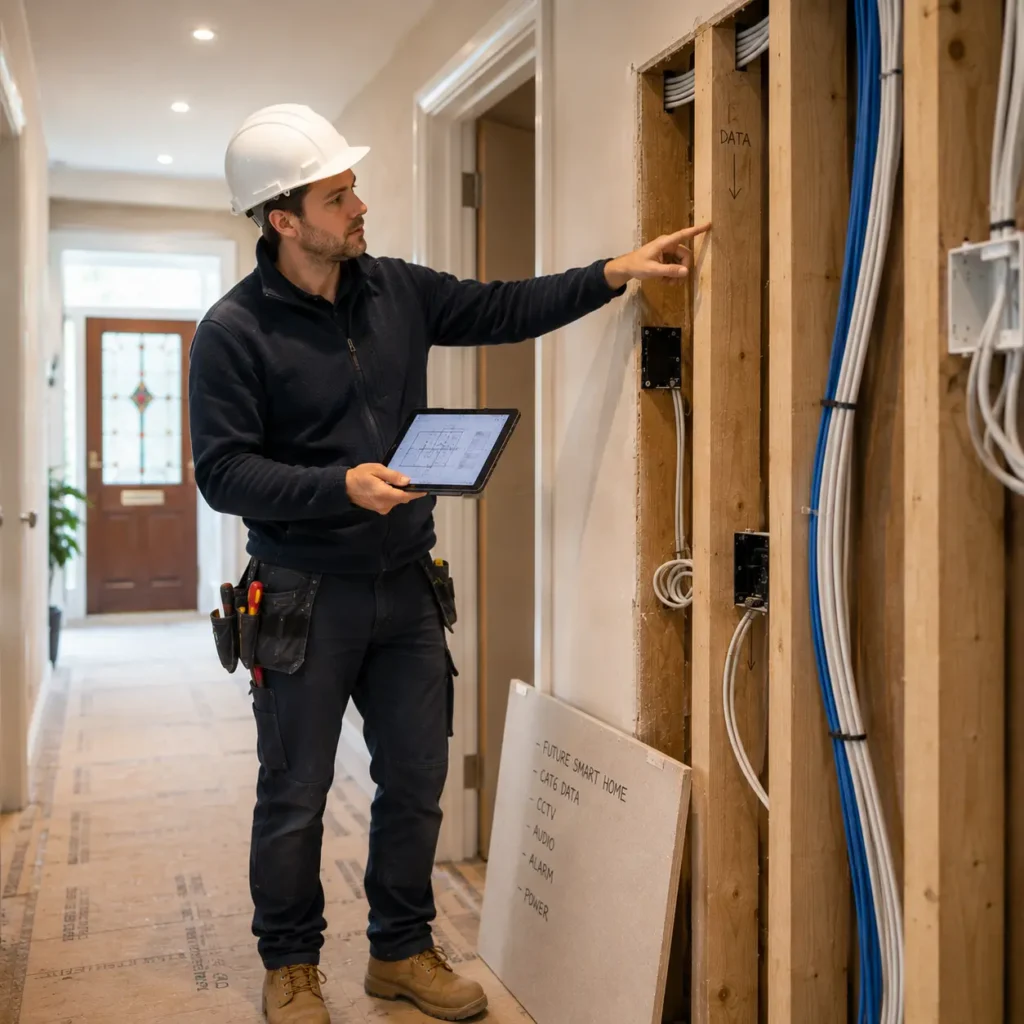
Renovations provide the ideal opportunity to install additional power sockets, structured data cabling, hidden cable routes, and stronger electrical capacity. These upgrades are relatively inexpensive while walls and floors are open, but become far more disruptive once finishes are complete.
Preparing for future technologies also matters. Households considering electric vehicles may benefit from installing EV charger cabling during wider renovation works, even if the charger itself is added later.
Smart lighting, heating controls, and security systems can always evolve, but homes with strong underlying infrastructure adapt far more easily to future technologies.
Planning for Every Stage of Life
The best renovations continue serving households comfortably through changing stages of life. Accessibility features are often associated with ageing homeowners, but many improvements make everyday living easier for people of all ages.
Slightly wider doorways and hallways improve movement throughout the house, whether for prams, furniture, bicycles, or mobility aids. Step-free entrances, stable pathways, and well-designed driveway surfaces all help make movement around the property safer and easier to manage as household needs change over time. Lever handles are easier for both children and older adults to use comfortably.
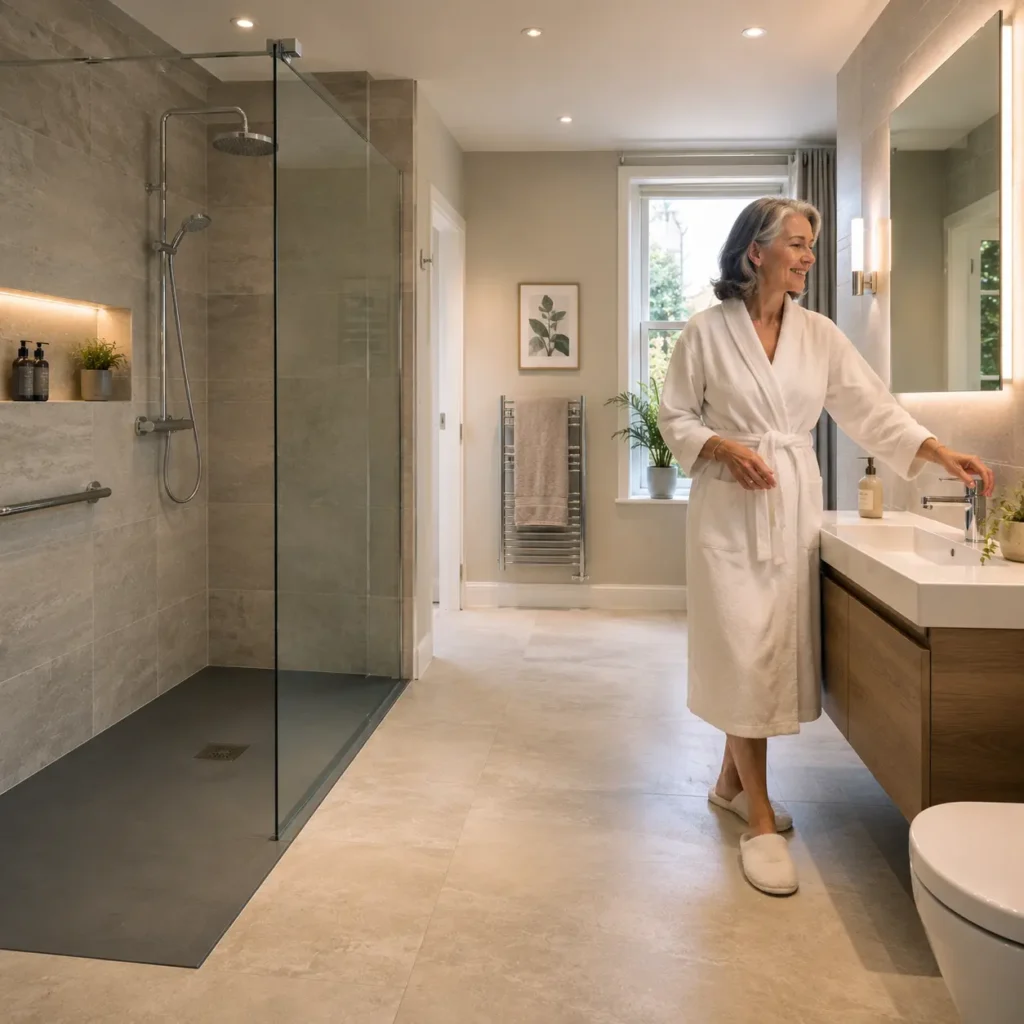
Bathrooms deserve particular attention. Walk-in showers with low thresholds are practical, safe, and widely preferred across all age groups. Reinforcing walls during renovation work so grab rails can be added later if needed is a simple precaution that may prove extremely valuable in future years.
For homeowners intending to remain in the property long term, it is also worth considering how ground-floor living arrangements could be adapted later in life if necessary.
Choosing Materials Built to Last
A future-proof renovation also depends heavily on material quality. Durable finishes not only age better visually but also reduce long-term maintenance and replacement costs.
Solid timber flooring generally lasts far longer than cheaper laminate alternatives. High-quality tiles, stone surfaces, and properly specified brickwork continue performing well long after lower-cost finishes begin showing wear.
While budget pressures often encourage compromises toward the end of a renovation, the surfaces used daily are usually the areas where quality matters most. Flooring, worktops, doors, and bathroom finishes all experience constant use, making durability particularly important.
Where appropriate, locally sourced timber, recycled materials, and low-carbon products can also reduce the environmental impact of the renovation while appealing to increasingly sustainability-conscious buyers.
Conclusion
Future-proofing a home renovation is not about predicting every possible change ahead. It is about designing spaces, systems, and layouts that can adapt comfortably over time. Renovations that age well tend to balance flexibility, efficiency, durability, and thoughtful planning from the very beginning.
If you are planning a renovation and want guidance on creating a home designed to serve your household well for years to come, consider speaking with the team at Ionesi Development about shaping a renovation with long-term value in mind.