
Introduction
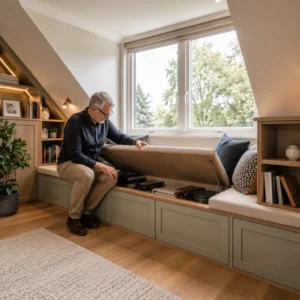
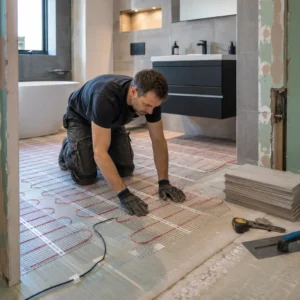
You’ve spent time choosing the perfect colour, comparing samples and imagining how they’ll look once the room is finished. Then comes the next decision: matt or silk paint? While it may seem like a small detail, the finish you choose can have a significant impact on both the appearance and practicality of a space. Factors such as wall condition, natural light and everyday wear all play a part in determining which option works best. The right finish should complement both the room and the overall character of the property. For homeowners planning decorating work as part of a wider refurbishment, experienced home improvement specialists can help ensure every design choice works together seamlessly. This guide explains the key differences between matt and silk paint to help you make a confident choice.
Matt vs Silk Paint: Understanding Paint Sheen
Before comparing the two, it helps to understand what actually separates them: sheen, or how much light a finish reflects once it’s dry.
Matt sits at the flat end of the scale. It reflects very little light, giving a soft, chalky, understated appearance. Silk sits higher up, with a gentle mid-sheen that catches the light and lends walls a subtle glow. Between and around them are other finishes you’ll come across eggshell, with its low-to-mid sheen often used on woodwork, and satin, sitting slightly higher again. Everything that follows, from durability to how a colour reads on the wall, flows directly from this one property. Once you grasp where each finish falls on the sheen scale, the rest of the decision becomes far more straightforward.
Matt Paint vs Silk Paint: When Matt Is the Better Choice
Matt paint’s greatest advantage is its ability to conceal imperfections. Because it reflects very little light, it helps disguise uneven plasterwork, minor surface defects, filler repairs and application marks that would be more noticeable with a higher-sheen finish. This makes it particularly well suited to older and period properties, where perfectly smooth walls are often the exception rather than the rule.
Its soft, non-reflective appearance creates a calm and welcoming atmosphere, making it a popular choice for living rooms, bedrooms and ceilings. While traditional matt paints were known for marking easily, modern durable and washable matt emulsions offer improved practicality, combining a refined appearance with greater resistance to everyday wear.
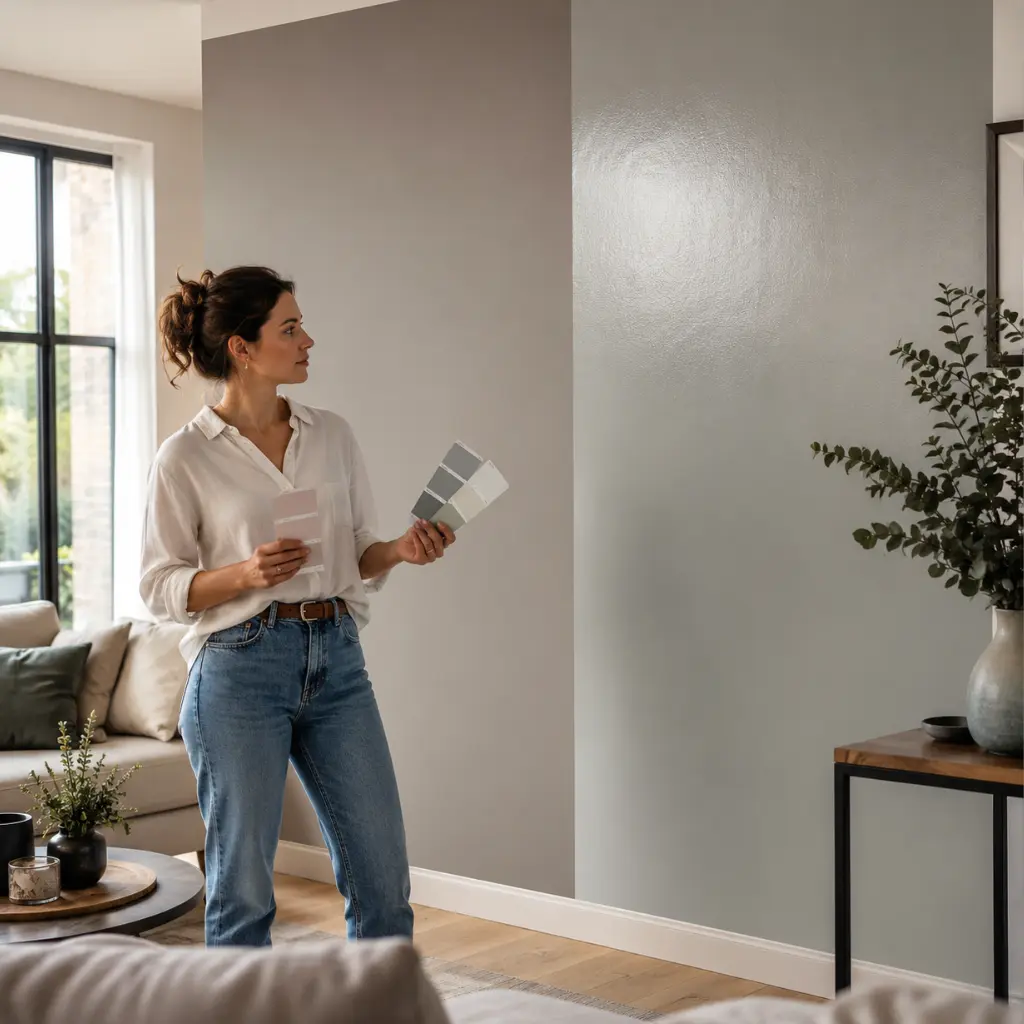
Silk Emulsion vs Matt Emulsion: When Silk Works Best
Silk earns its keep through resilience. The same sheen that gives it a soft glow also makes it wipeable and more hard-wearing, so it copes well with marks, fingerprints and the occasional clean. In areas where walls take a battering, that durability counts for a great deal.
This makes silk a sensible pick for hallways, stairwells, children’s rooms and other busy, high-traffic parts of the home, where surfaces need to withstand knocks and regular wiping down.
The trade-off is that surface imperfections can become more visible. Silk’s reflective quality picks out every bump, dent and patch repair on a wall, throwing imperfections into relief under raking light. For that reason, it really only looks its best on smooth, well-prepared surfaces. If the walls aren’t in good condition, silk tends to make surface imperfections more noticeable.
Choosing the Best Paint Finish for Walls in Different Rooms
A room’s function is often the best guide when choosing between matt and silk paint. Matt finishes tend to work particularly well in living rooms and bedrooms, where their soft appearance helps create a relaxed atmosphere while disguising minor surface imperfections. Ceilings also benefit from a matt finish, as the lack of sheen reduces glare and helps conceal uneven areas.
In contrast, spaces that experience more wear or moisture generally suit silk paint better. Hallways and staircases often require a finish that can withstand regular knocks and cleaning, making silk or a durable washable matt a practical choice. Kitchens are another area where silk or modern durable matt paints can perform well, as both offer improved resistance to grease, splashes and everyday cleaning.
Ultimately, the choice comes down to balancing appearance with practicality. Matt is often the preferred option for quieter rooms and walls with visible imperfections, while silk can be a practical option where durability, ease of cleaning and resistance to everyday moisture are important considerations.
How Light Affects Different Paint Finishes
Light is the consideration most people overlook, yet it can transform how a finish performs. Silk’s reflective surface bounces daylight and lamplight around a room, which can genuinely help a darker space or a north-facing room that struggles for brightness through the greyer months.
Matt does the opposite, soaking up light rather than throwing it back. The result is a calmer, cosier atmosphere, though noticeably less luminous. It’s worth remembering that the very same colour can look quite different depending on the finish a shade that feels rich and deep in matt may appear lighter and livelier in silk once the daylight hits it. Testing both on the actual wall, in the actual light, is always time well spent.

Preparing Walls for Matt and Silk Paint Finishes
Whichever finish you choose, preparation dictates the outcome and silk is the more demanding of the two. Because it shows everything, walls destined for silk need thorough filling, sanding and a properly smooth base before a brush goes near them. Matt is more relaxed about minor flaws, but careful prep still pays off.
There are a few common defects worth steering clear of. Flashing, where patches dry to a different sheen, and picture-framing, where the edges rolled by brush stand out against the roller work, both spoil an otherwise tidy job. Visible brush marks are another giveaway of rushed work. The sensible approach is to let the wall’s condition guide the finish as much as the look you’re after. Matching the finish to the wall condition generally produces the best results.
Applying Matt Paint and Silk Paint Over Existing Finishes
Repainting brings its own quirks, and the order matters. Applying matt over an existing silk surface is the tricky one: the sheen must be keyed back, usually with a light sanding, so the new coat has something to grip. Skip that step, and you risk poor adhesion and peeling down the line.
Going the other way silk over matt is generally more forgiving, as the flatter base accepts the new coat readily. In either case, if the existing surface is patchy, glossy or has been repaired, a coat of primer and a little extra preparation is usually worth the time it adds.
Conclusion
There is no single best choice between matt and silk paint, as each finish suits different rooms and requirements. Matt offers a softer appearance and helps disguise imperfections, while silk provides greater durability and easier maintenance in busier areas. Choosing the right finish means balancing appearance, practicality and lighting conditions. These considerations can be particularly important in a loft conversion, where natural light, sloping ceilings and carefully planned storage solutions often influence how colours and finishes are perceived. As part of a wider refurbishment project, Ionesi Development can help ensure decorating choices complement the overall design and performance of your home.