Introduction
Extending a home is rarely a straightforward decision, and choosing between a single-storey extension and a double-storey build often becomes the central question. Both routes can reshape how a property functions, but they suit very different goals, budgets, and properties. What works beautifully for a Victorian terrace in London might be entirely wrong for a semi-detached home in Manchester or a detached property in the Cotswolds. At Ionesi Development, we have guided homeowners through this exact decision many times, and the right answer almost always comes down to a careful balance of practicality, planning, and long-term thinking rather than personal preference alone.
Understanding What Each Extension Actually Delivers
Before comparing the two, it helps to be clear about what each option physically produces.
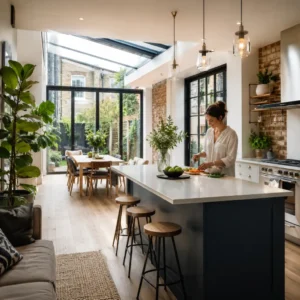
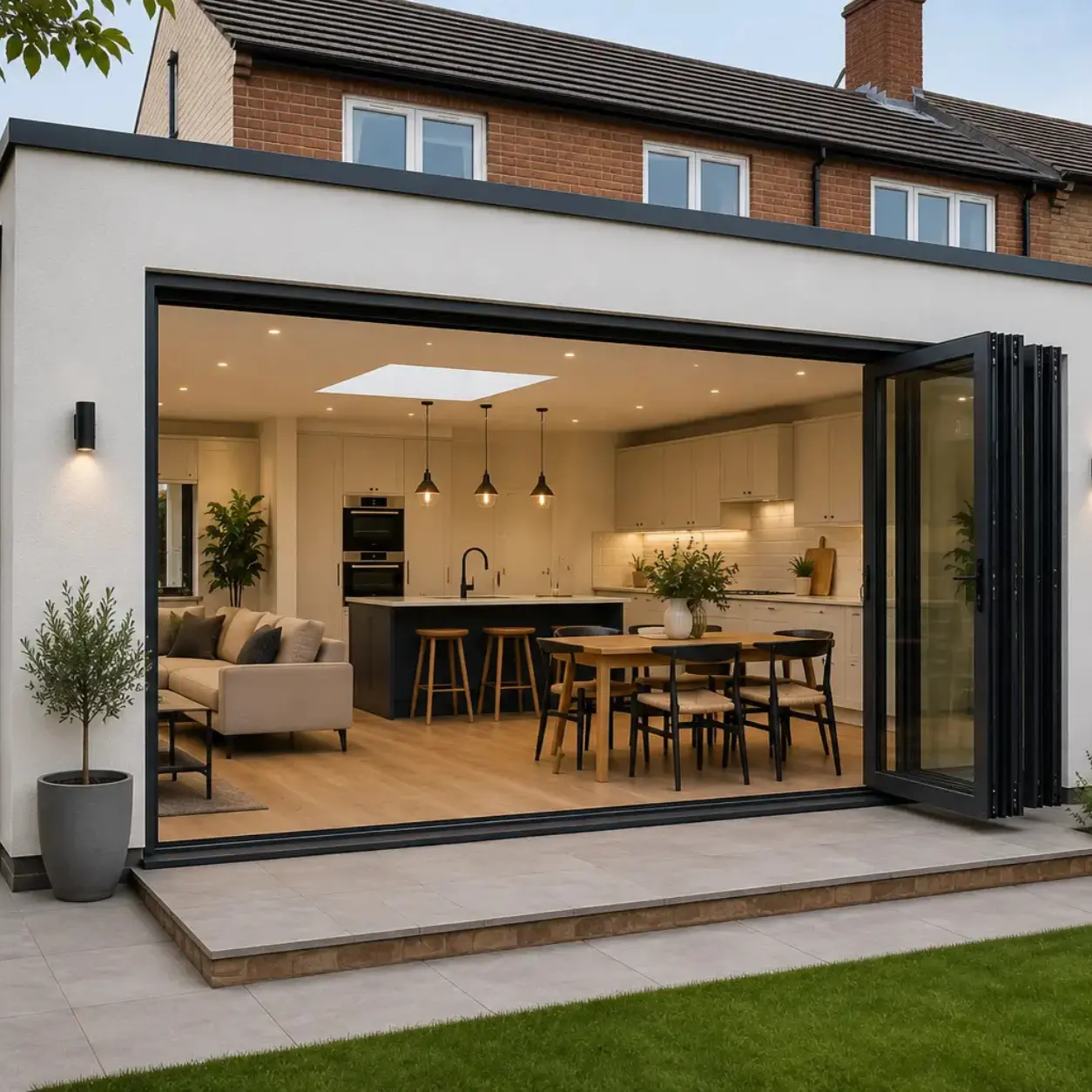
A single-storey extension adds usable area to the ground floor only. It might project out into the rear garden, fill in a side return alongside the kitchen, or wrap around the back and side of the property in an L-shape. The result is typically a larger kitchen, a brighter dining area, a family room, or a combination of all three flowing into one open plan layout.
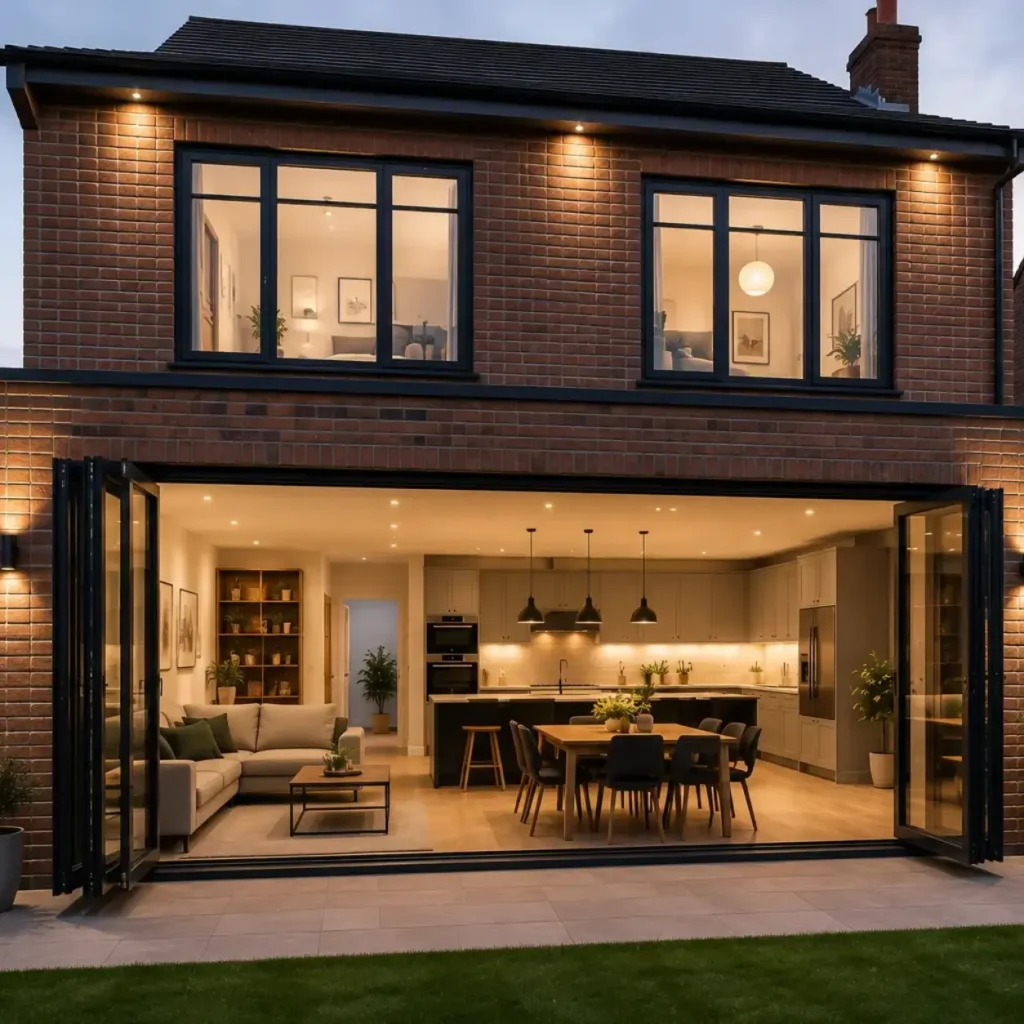
A double-storey extension, sometimes called a two-storey extension, builds upwards as well as outwards. The ground floor gains the same kind of space a single-storey build would create. In contrast, the first floor delivers something altogether different, usually an additional bedroom, a larger master suite, or a second bathroom positioned exactly where the family needs it.
The distinction matters because the two options solve different problems. One enlarges how you live during the day. The other changes how the household sleeps, washes, and uses private space.
How the Costs Genuinely Compare
Cost is where most conversations begin, and the figures behind the two options are often misunderstood. A double-storey extension is not twice the cost of a single-storey build, even though it produces roughly twice the floor area. The reason is structural. Foundations and the roof are the two most expensive elements of any extension, and a two-storey build shares both across two floors rather than one.
This means a single-storey extension carries the lower upfront figure, which makes it the more accessible option for tighter budgets or smaller projects. A double-storey extension, however, frequently offers stronger value when measured per square metre. The cost of materials, scaffolding, and labour rises, but the additional floor space gained is disproportionately greater than the additional spend.
There is also the matter of finishes. Kitchens, bathrooms, flooring, and glazing all add up regardless of which option you choose, and these costs scale with the quality of the specification rather than the type of extension. Setting a realistic budget for finishes early prevents unexpected costs later in the build.
For homeowners thinking about resale, the value added by each option also differs. Additional bedrooms and bathrooms tend to influence sale prices more strongly than extra living space alone, which often tips the financial argument toward a double-storey build when the property and plot allow for it.
Matching the Extension to How You Actually Live
The most useful question to ask before committing is straightforward. What problem are you trying to solve?
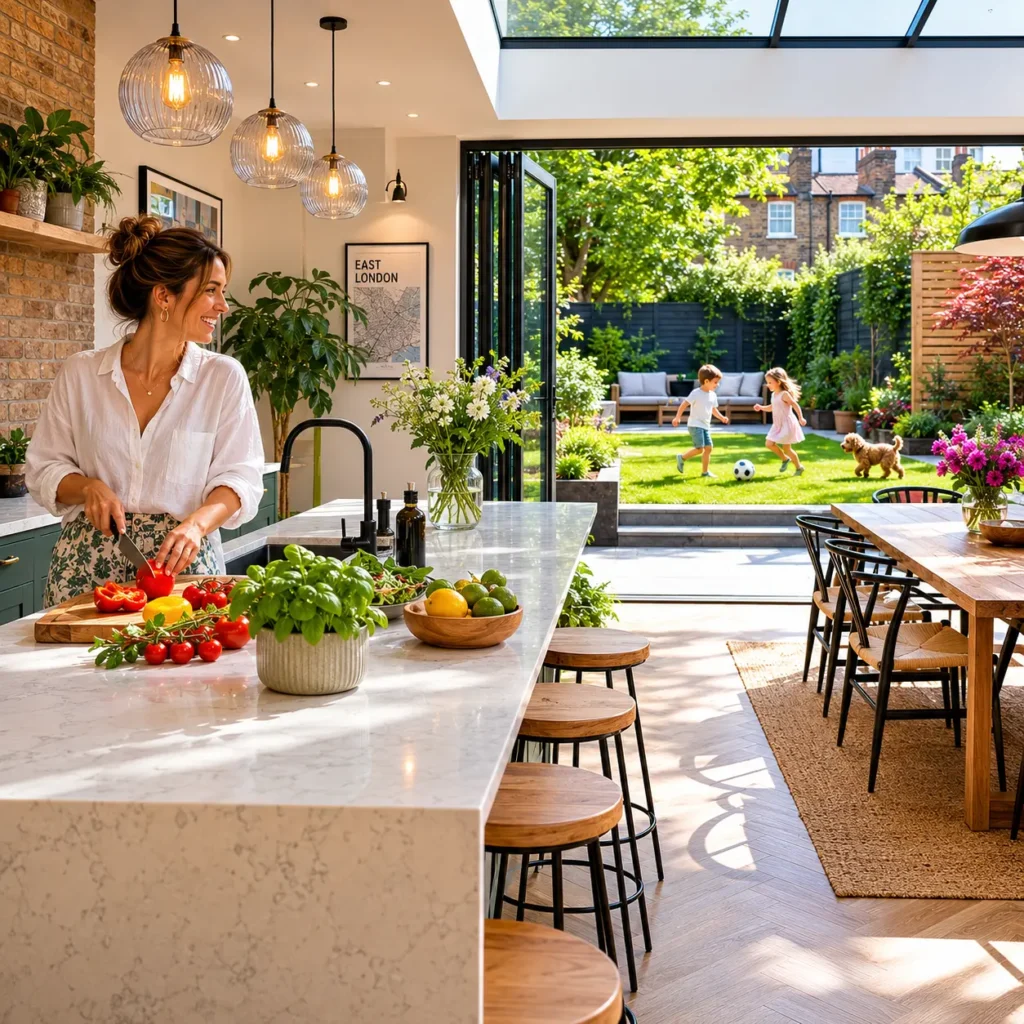
If the issue is a narrow galley kitchen, a cramped dining area, or a disconnect between the back of the house and the garden, a single-storey extension almost always provides the answer. Knocking through walls and creating a generous open-plan kitchen living space can completely change how a family uses the ground floor, particularly in terraced houses and older semi-detached homes where original layouts feel fragmented.
If the real shortfall is bedrooms, an extra bathroom, or a proper home office that is not fitted into a small area, a single-storey extension will not solve it. A double-storey extension addresses both floors at once, which is why it works so well for growing families who may also need better utility space, improved storage, or a more practical connection to an attached garage.
Some homeowners find their needs sit somewhere in the middle. In these cases, a single-storey extension combined with internal reconfiguration upstairs, perhaps converting a box room into an en-suite or reshaping a landing, can deliver much of the benefit of a double-storey build at a lower cost.
Planning Permission and the Realities of UK Regulation
Planning is where many extension projects either move forward smoothly or require additional planning. Many single-storey rear extensions can be built under permitted development rights, provided they fall within the size, height, and boundary restrictions set out in national guidance. This route avoids a full planning application and reduces the upfront timeline considerably.
Double-storey extensions are more likely to require planning permission from the local planning authority. The reasons are practical rather than bureaucratic. A two-storey addition has a greater visual impact, can affect light and privacy for neighbouring properties, and changes the appearance of the home from the street. Planning officers will look closely at roof pitch, brickwork match, window placement, and the proximity of the extension to the boundary.
Both options must comply with building regulations covering structural integrity, insulation, ventilation, fire safety, and drainage. Where a party wall is involved, which is common in terraced and semi-detached homes, a party wall agreement with the affected neighbour is also required before work begins.
Engaging the right team early means design and planning are handled together rather than as separate hurdles, which often makes the difference between a smooth approval and months of revisions.
What Your Plot and Property Will Allow
The shape of the plot often decides for you. A small rear garden may not have the depth to accommodate a generous single-storey extension without leaving the outdoor space feeling squeezed. In this scenario, a double-storey extension can be the more sensible choice because it gains far more internal floor area for the same loss of garden, since the upper floor adds no further ground-level footprint.
Side returns, common in Victorian terraces, often suit narrow single-storey infills that transform the kitchen without touching the garden at all. Detached properties with generous side plots can sometimes support a full two-storey side extension that effectively widens the entire house.
Semi-detached homes sit in the middle. Rear and side options both tend to be feasible, although side extensions must be designed carefully to avoid the poorly integrated appearance that planners and neighbours often object to. Matching brick, mortar colour, window styles, and roofline pitch is essential for the finished build to feel like part of the original house rather than an obvious addition.
Disruption, Timeline, and Living Through the Build
Single-storey extensions are generally quicker and less disruptive. Most of the work stays at ground level, and many families can continue living in the property throughout the build with only the kitchen or back of the house temporarily out of use.
Double-storey extensions take longer, involve more substantial structural work, and may require bedrooms or bathrooms to be temporarily unavailable. Some families choose to move out for parts of the build, while others find the inconvenience manageable with careful planning from the project team. Either way, factoring in the timeline honestly at the planning stage avoids frustration later.
Making the Right Choice for Your Home
The best option depends entirely on how the property needs to function in the future. A single-storey extension is often the right answer for homeowners who want a brighter, larger ground floor on a manageable budget without major disruption. A double-storey extension suits households who need more bedrooms or bathrooms and want stronger long-term value, provided the plot and planning context allow for it.
The decision is best made after a clear conversation about the property, the family’s needs, the available budget, and the long-term plan for the home. Drawings and quotes follow much more easily once that groundwork is in place.
Conclusion
Both single and double-storey extensions can transform a home when planned with care and built to a high standard. The right choice depends on your property, your family, and what you want from the home over the next decade. If you would like a practical conversation about which route would suit your home best, the team at Ionesi Development will help assess what is realistically achievable for your property, planning context, and long-term goals.