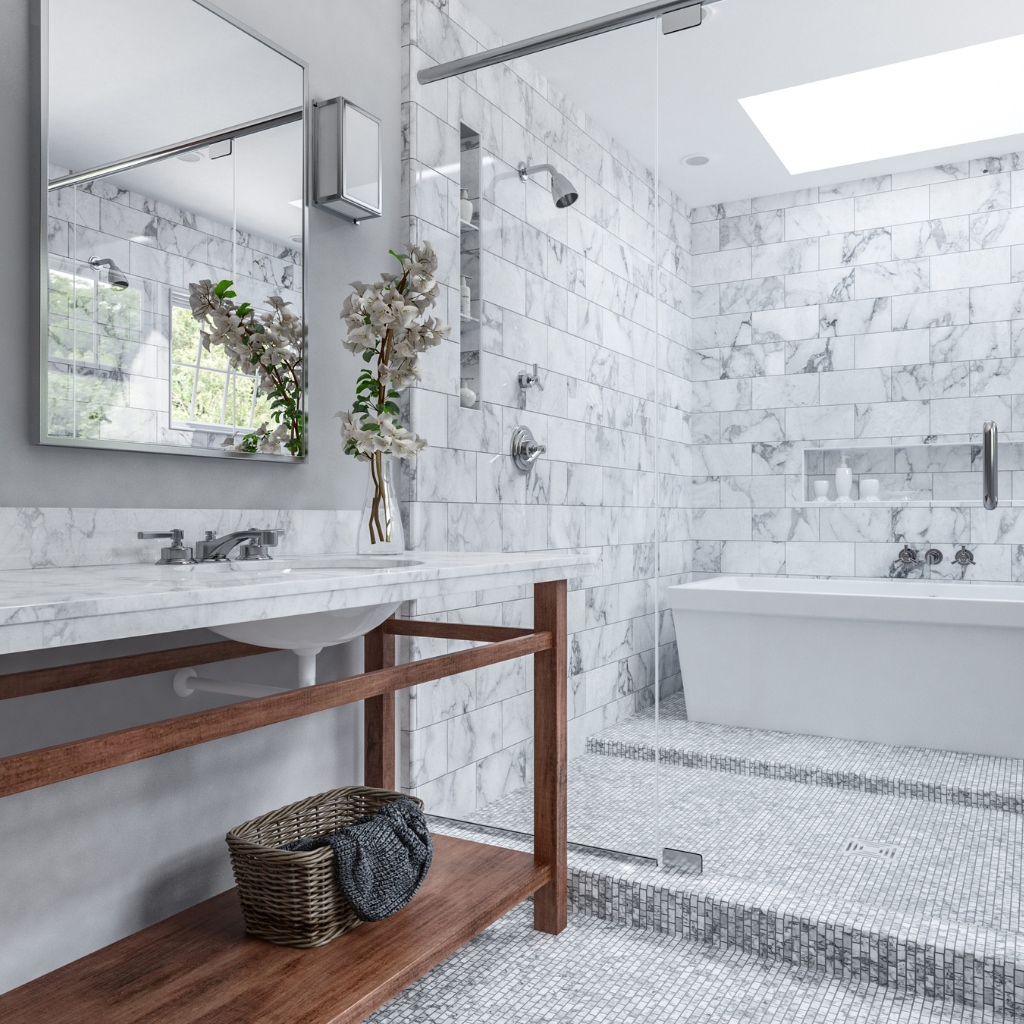
A perfect wet room starts with a smart plan. Map the layout for showering, movement, and storage. Prioritise reliable drainage with a gentle floor slope, full waterproofing, and strong ventilation. Choose slip-resistant surfaces, large-format tiles, and clear glass to boost light and space. Keep fixtures minimal for easy cleaning and accessibility. Decide between a true wet room or a walk-in zone based on budget and splash control. Expert input can refine choices and elevate the result—there’s more to explore when it comes to wet room design.
Key Takeaways
- Plan the layout first: position shower, circulation, and storage, and choose between a full wet room or a defined walk-in zone.
- Prioritise waterproofing and drainage: tank the room, slope floors to a linear drain, and ensure reliable fall and sealing.
- Ensure effective ventilation: fit an extractor that meets code to control humidity, prevent mould, and protect finishes.
- Choose smart finishes: slip-resistant large-format tiles, minimal grout, and clear glass to boost light and perceived space.
- Layer lighting and details: combine ceiling, niche, and mirror lighting, and add niches, benches, and heated floors for comfort.
- Work with professional bathroom installers to ensure all installations, from drainage to screens, meet safety and quality standards.
Introduction to Wet Rooms
A wet room is a type of bathroom where the shower area is open and level with the floor, and the entire space is waterproofed.
It offers a clean look, easy access, and simple maintenance.
More homeowners and designers are choosing wet rooms for their modern style and efficient use of space. For anyone looking to make your bathroom feel like a luxurious bathroom, a wet room is an exciting option. Integrating spa-style bathroom features ensures that the wet room feels indulgent as well as practical.
What is a wet room?
Sleek simplicity defines a wet room: a fully waterproofed bathroom where the shower area sits flush with the floor and water drains through a built-in, sloped surface.
A wet room removes the need for a raised shower enclosure, creating an open, walk-in shower feel that maximises space and accessibility.
The entire room is waterproofed, with careful installation of membranes, drainage, and wet room flooring to keep moisture contained.
A wet room shower can be fully open or partially screened with glass, meaning sometimes the rest of the room gets wet.
Finishes range from tiles to seamless resin, and the level, barrier-free layout delivers a clean, modern look that’s easy to maintain.
The growing trend of wet rooms in modern bathroom design
While bathroom design trends come and go, wet rooms are steadily gaining ground for their mix of style and practicality. Across homes, wet rooms have become a smart solution that feels spacious and streamlined.
A wet room is a fully waterproofed area, allowing the floor to drain freely without bulky trays. This wet room design suits small bathrooms and elevates any contemporary bathroom.
Key benefits of a wet room include easy cleaning, improved accessibility, and a seamless look with or without a shower screen. Homeowners find installing a wet room boosts versatility and potential resale appeal while maximising every inch of space. In fact, a wet room adds both practicality and value, proving that many wet room ideas can adapt to different needs.
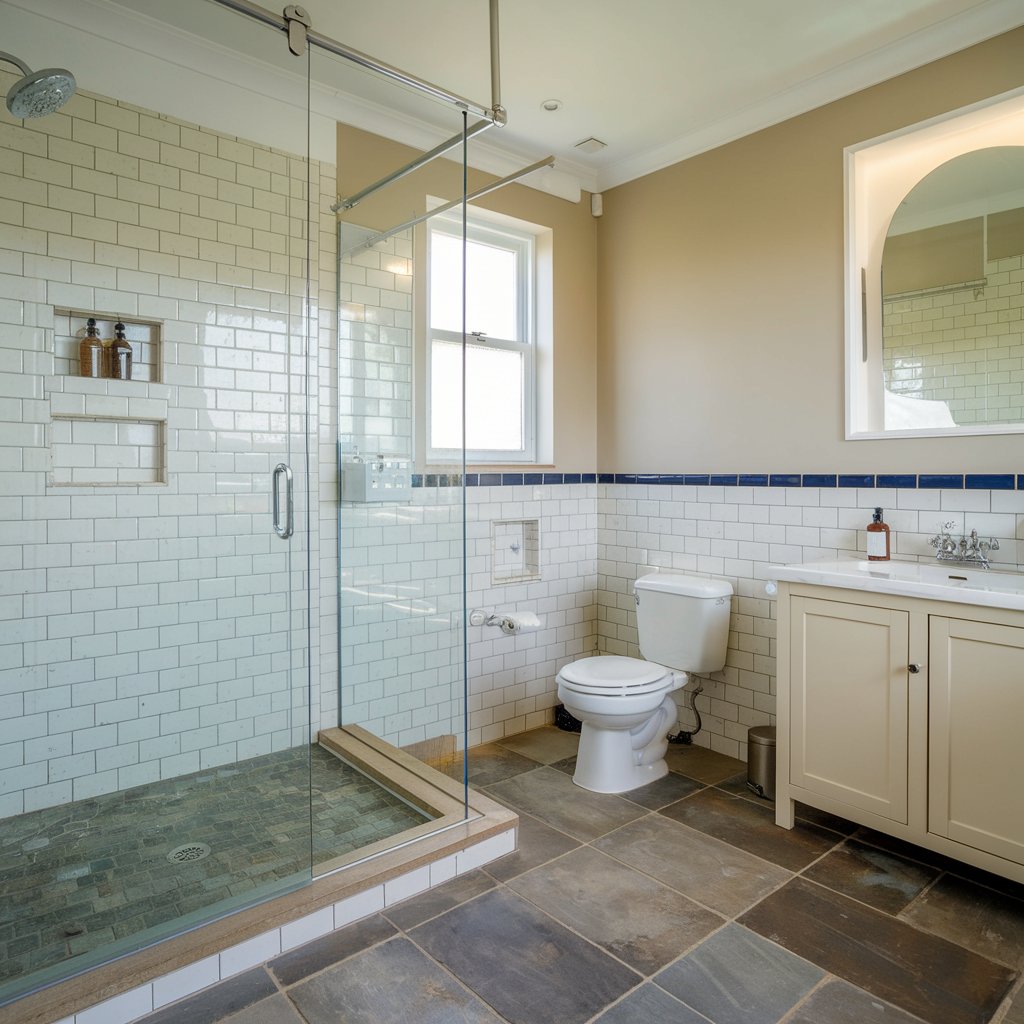
Benefits of a Wet Room
A wet room offers a sleek, open layout that can make any bathroom feel larger and easier to use.
With level floors and minimal barriers, it improves accessibility and simplifies cleaning.
The design also maximises functionality by turning the whole space into a practical, water-safe zone. Put simply, a wet room can actually transform daily routines.
The advantages of choosing a wet room for your bathroom
Though often seen as a design statement, a wet room offers practical benefits that suit many homes.
A wet room streamlines the shower experience with level floors and open layouts, making movement easy and safe. This brings clear benefits for accessibility while also make you feel indulgent.
Removing bulky trays and screens frees bathroom space and suits smaller bathrooms without feeling cramped.
Surfaces are simple to clean, supporting low-maintenance routines and durability. With correct tanking, moisture control is reliable.
A stylish wet room can boost perceived value, adapt to changing needs, and deliver a timeless, uncluttered look that lasts. That’s why wet rooms also appeal to homeowners who are planning for the future.
How a wet room design maximises space and functionality
Building on those benefits, a well-planned wet room makes every square inch work harder. Smart wet room ideas focus on open flow, a flush floor, and clear zones. When designing a wet room, the layout of a wet room removes bulky thresholds so the shower room blends into the wet room area. In a small wet room, a wall-hung toilet frees floor space and eases cleaning. Recessed niches manage bathroom accessories without clutter. Frameless glass screens guide spray while preserving openness. Underfloor heating dries quickly, boosting safety and function.
| Zone | Space Saver | Tip |
|---|---|---|
| Entry | Pocket door | Keep clear line of sight |
| Shower | Linear drain | Slight fall to drain |
| Toilet | Wall-hung toilet | Conceal cistern |
| Storage | Recessed niche | Fit daily accessories |
Wet Room Ideas: Creating the Perfect Design
Design starts with the basics: choosing tiles that are slip-resistant, easy to clean, and suited to constant moisture.
From compact en-suites to spacious master baths, layout ideas can maximise openness, storage, and light.
It also helps to weigh a walk-in shower against a full wet room to balance style, access, and maintenance.
Choosing the right tiles for your wet room
While style often grabs attention first, the best wet room tiles balance beauty with performance.
He or she should view tile ideas through the lens of grip, durability, and easy cleaning for any wet area. Small-format porcelain or textured stone improves footing on a wet floor and helps channel water to the wet room waste or concealed shower tray.
Colours and grout lines should complement the bathroom design while resisting stains and slip risks.
- Choose slip-resistant porcelain
- Favour small mosaics for fall and drainage.
- Seal natural stone correctly.
- Use epoxy grout for durability.
- Match tones for a modern wet aesthetic to ensure your wet room
The best wet room design ideas for small or large bathrooms
Even in compact footprints, a well-planned wet room can feel spacious, streamlined, and easy to maintain.
Smart design starts with a clear shower zone, a single plane of slip-resistant tile, and discreet drainage.
In a small wet space, choose large-format tile, a frameless shower screen, wall-mounted storage, and mirrored cabinets to maximise light.
Use consistent finishes to reduce visual clutter.
For a large bathroom, zone with contrasting tile, a ceiling-mounted rain shower, and a bench or niche.
Add underfloor heating for comfort and quick drying.
Keep lines simple, prioritise good ventilation, and embrace practical wet room ideas that last.
Combining style and function: Walk-in showers vs. wet rooms
From space-saving layouts to streamlined finishes, the same principles that make small and large wet rooms work also inform the choice between a walk-in shower and a full wet room.
A wet room is a fully waterproofed space; a shower keeps water in a defined zone. Both can elevate a standard bathroom and deliver a wet room feel.
- Wet rooms offer barrier-free access and easy cleaning.
- A walk-in shower suits upgrades from a regular shower.
- Skip the shower door for openness; add glass for splash control.
- Floor gradients and drains matter most.
- Consider budget, maintenance, and resale.
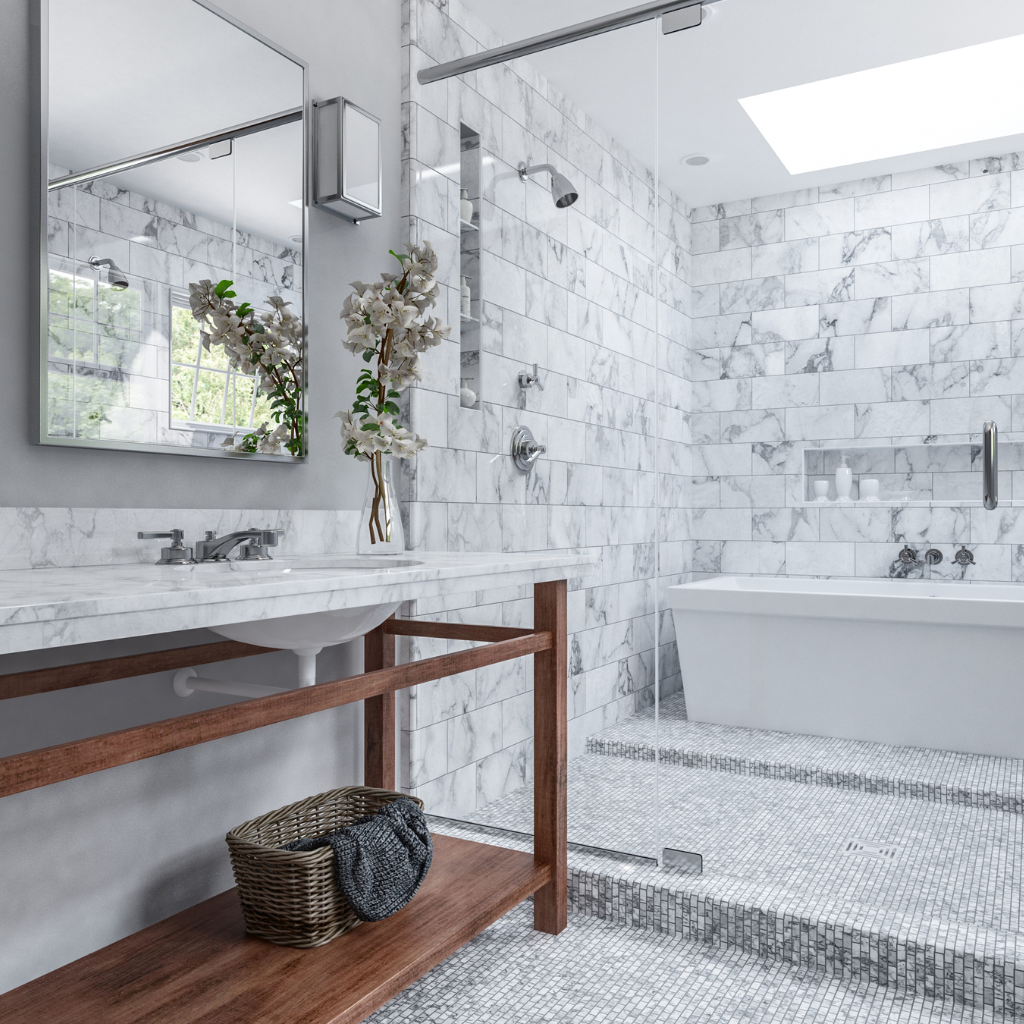
Planning and Designing a Wet Room
Planning starts with mapping the layout: where the shower goes, how people move, and where storage fits.
Next come the essentials—reliable drainage, full waterproofing, and steady ventilation to prevent slips and damp.
It also helps to compare a true wet room with a shower to decide which suits the space, budget, and room needs.
Using a Bathroom installation guide can clarify sequencing, materials, and installation best practices.
Steps to plan your wet room layout
A clear plan turns a wet room from an idea into a practical, watertight space. When planning a wet room, start by sizing up the space and mapping a simple wet room layout.
Confirm the room is a fully waterproofed zone and that the door swing and clearances are suitable for wet areas. Check that the footprint is enough for a wet room and future access.
- List must-haves versus nice-to-haves
- Measure walls, openings, and existing services
- Position the shower zone for splash control.
- Choose smart storage options for wet room essentials.
- Sequence trades so the wet room requires preparation before the fixtures
Finally, schedule the installation of the wet room.
Key considerations when designing a wet room: Drainage, waterproofing, and ventilation
Even in a compact space, a successful wet room hinges on three essentials: dependable drainage, robust waterproofing, and effective ventilation. The floor should slope to a linear drain, keeping water away from the rest of the bathroom. A sealed membrane and tanking protect the entire room, especially around the shower head. In the UK, Part F ventilation standards guide extractor sizing and placement to curb moisture and mould.
| Priority | Quick tip |
|---|---|
| Drainage | Use a 1:50 fall to the drain. |
| Waterproofing | Tank walls/floors to 1.2m+. |
| Ventilation | Fit a 15–30 l/s fan with timer. |
| Maintenance | Clean traps; check seals quarterly. |
Wet room and walk-in shower: What’s the difference and which should you choose?
With drainage, waterproofing, and ventilation set, the next decision is choosing between a true wet room and a walk-in shower.
In the wet room vs walk-in debate, clarity helps. A full wet room makes the entire space waterproof; a walk-in shower is a defined showering zone inside a regular bathroom.
Wet rooms are often chosen for sleek looks and accessibility, but costs and splash control vary. To decide if a wet room is right, consider:
- Space and layout
- Budget and build complexity
- Splash containment and screens
- Accessibility and future-proofing
- Resale expectations and style preferences
Either a room or a walk-in shower can be a smart choice.
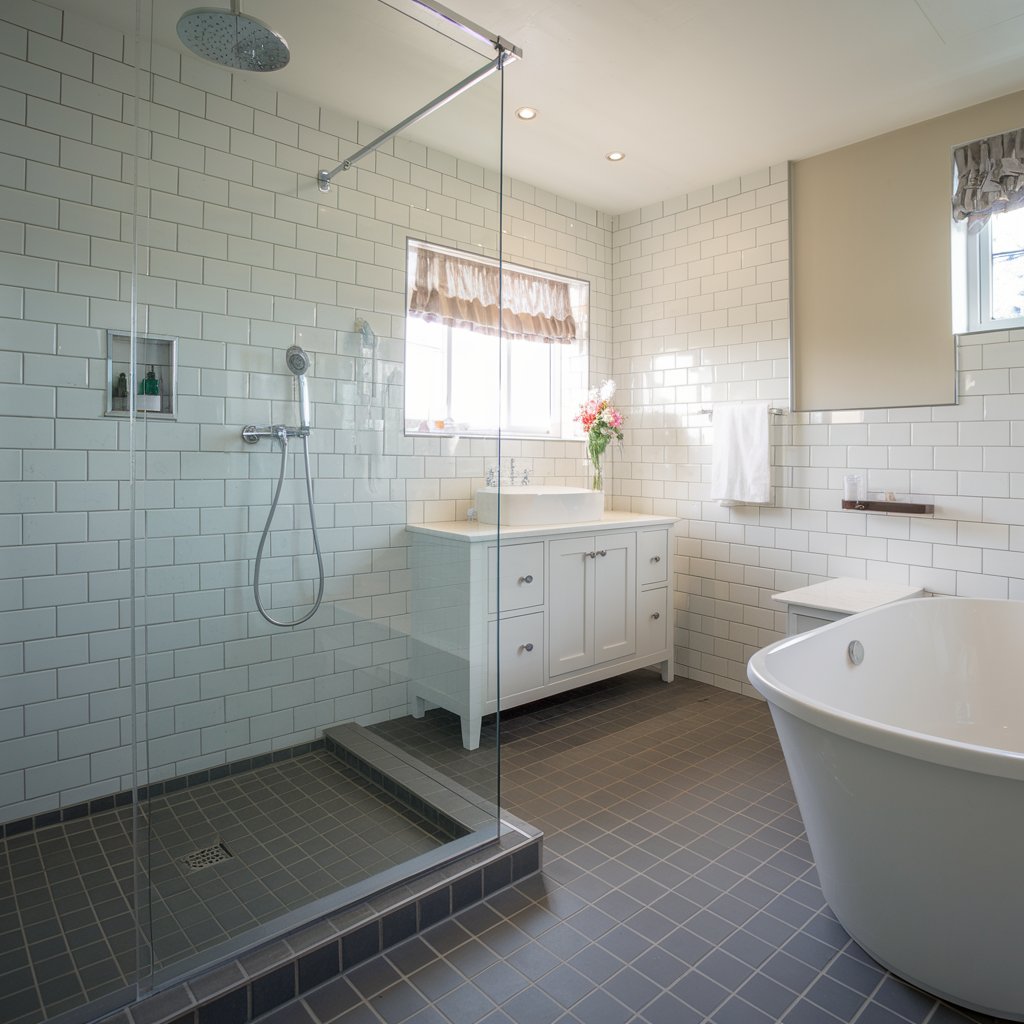
The Ideal Wet Room Design for Your Space
The ideal wet room starts with simple choices that fit the bathroom’s size, layout, and daily routine.
Readers will see how to bring wet room ideas into a plan with smart drainage, slip-resistant finishes, and clear glass to keep light flowing.
Practical tips will match looks to taste—from spa‑calm neutrals to bold tiles—so the space feels cohesive and easy to maintain.
How to incorporate wet room ideas into your bathroom design
Although wet rooms can feel like a bold move, integrating the idea into a bathroom is straightforward when guided by layout, drainage, and materials.
Using practical wet room ideas, one can create a wet room that suits size, style, and budget while improving the bathroom look and function.
- Choose a level-access shower area to make your bathroom feel open and safer.
- Use large-format tiles to turn a traditional bathroom or larger bathroom into a wet room with fewer grout lines.
- Plan reliable falls to the drain.
- Select slip-resistant surfaces when designing a wet room for your home.
- Add clear screens to manage spray.
Tips for creating the perfect wet room look with room designs that suit your taste
Seeking a wet room that feels personal yet practical? Start with a clear mood: calm spa, bold statement, or minimalist.
Choose room designs that match the layout—walk-in openness suits small spaces, zoning helps larger ones. Prioritise slip-resistant flooring and seamless drainage.
Pick a hero finish to define the look of your wet room: textured stone, terrazzo, or matte tiles. Add a niche and a warmed towel rail to make your bathroom feel thoughtful.
Layer lighting—ceiling, niche, mirror. A wet room is a great upgrade with simple, durable fittings.
For tailored bathroom ideas, consult bathroom experts to craft a stunning wet room.
Conclusion
A well-planned wet room can transform everyday routines into a calm, spa-like experience. With clear zoning, slip-resistant surfaces, smart drainage, and ample storage, it stays practical and beautiful. Choosing light-enhancing tiles, a frameless screen, and efficient ventilation keeps the space bright and fresh. Whether small or spacious, the right layout makes access effortless and cleaning simple. With thoughtful design and professional installation, a wet room offers long-term value, comfort, and timeless style for any bathroom. Ultimately, whether a wet room or a walk-in shower, the choice can truly turn your bathroom into a standout feature of your home.