
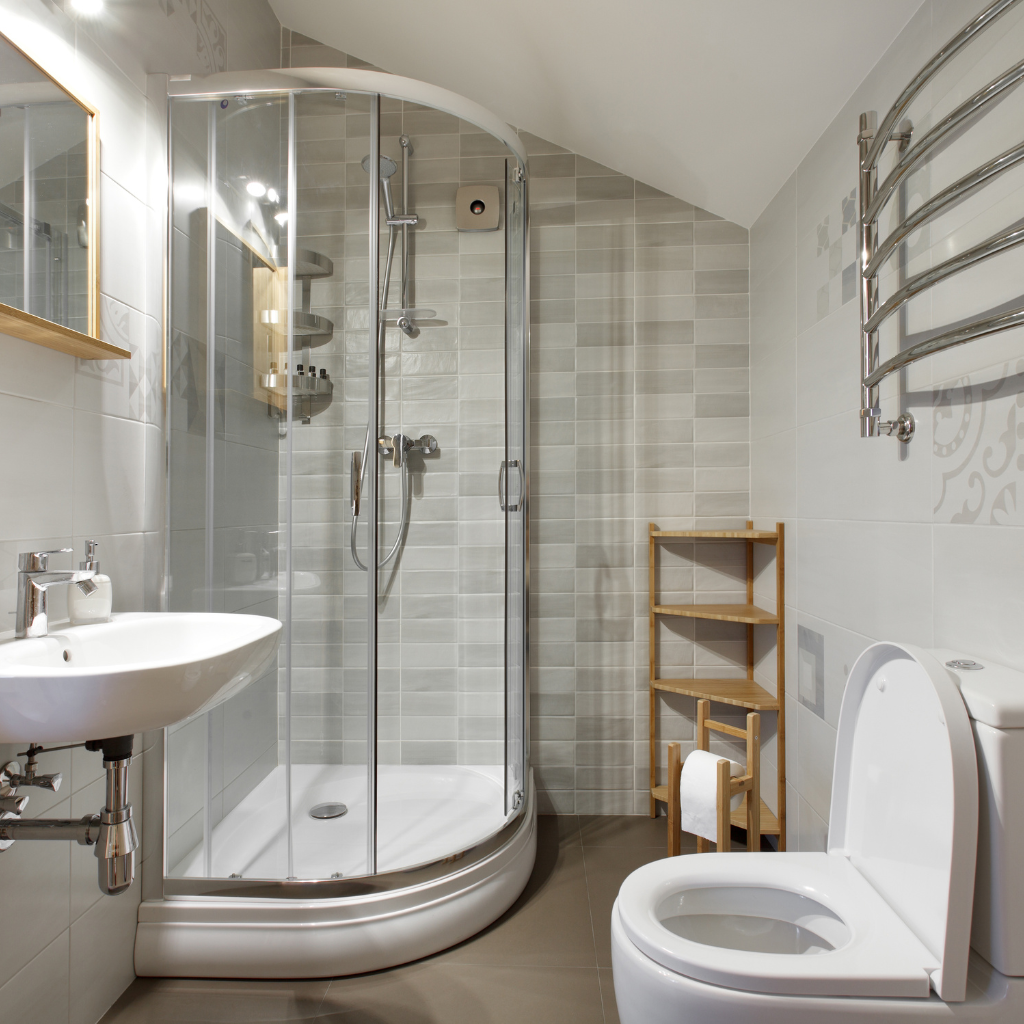
Bathroom fixtures and fittings are crucial for functionality, style, and decor. Fixtures are permanent, like sinks and toilets; fittings are movable, such as taps and towel rails. Fixtures form the bathroom’s core structure, while fittings add customisable details. Understanding their differences aids in refurbishment and designing a cohesive space. Selecting the right materials and designs enhances durability, makes surfaces easy to clean, and improves aesthetic appeal, enriching the bathroom experience. To ensure a flawless outcome, it’s often wise to work with trusted bathroom fitters who can guide choices and perform precise installation. Discover how informed choices can create the perfect bathroom space beyond the basics.
Key Takeaways
- Fixtures are permanent elements like sinks, toilets, and countertops, while fittings can be moved, including taps, towel rails, and mirrors.
- Fixtures contribute to the bathroom’s functionality and structure, while fittings enhance aesthetics and convenience.
- Understanding what’s the difference in fixtures vs fittings is crucial for effective bathroom rehabilitation and design planning.
- Fixtures often require professional installation, whereas fittings can be easily changed or updated.
- Choosing quality materials for both fixture and fitting ensures durability and visual appeal.

Bathroom Fixtures and Fittings Overview
To appreciate a well-designed bathroom, it’s essential to understand the roles of fixtures and fittings.
Fixtures are permanent elements like sinks and toilets, while fittings include items like taps and handrails that can be easily changed.
Having bathroom fixtures and fittings explained helps you understand their differences, enabling informed choices for practicality and style.
Understanding the role of bathroom fixtures and fittings
Often overlooked, bathroom fittings and fixtures play a key role in shaping both the functionality and aesthetics of a bathroom.
Knowing the variation between these elements is essential for any refurbishment or installation.
Fixtures are fixed items like sinks, toilets, and bathtubs, which are integral to the bathroom’s infrastructure. Fittings, on the other hand, include movable elements like showerheads, racks, and faucets, adding flexibility and style.
Different types of bathroom fixtures and fittings can greatly influence the design and utility of the space. selecting the right combination enhances the overall experience, balancing utility, design, and investment.
The difference between a bathroom fixtures and fittings
Although often used interchangeably, knowing how bathroom fixtures and fittings differ is essential for effective bathroom design.
Fixtures, as explained in bathroom terminology, are permanent elements like sinks, toilets, and bathtubs, which are plumbed or wired into the bathroom. These cannot be easily moved or replaced without renovation work.
On the other hand, fittings refer to removable items such as hand racks, mirrors, and shower curtains. These types of bathroom fittings can be changed with minimal effort, offering flexibility in design.
Knowing the difference between bathroom fixtures and fittings helps in planning a practical and aesthetically pleasing bathroom space, while a guide to bathroom pipe fittings ensures the hidden plumbing connections supporting these elements are efficient and reliable.
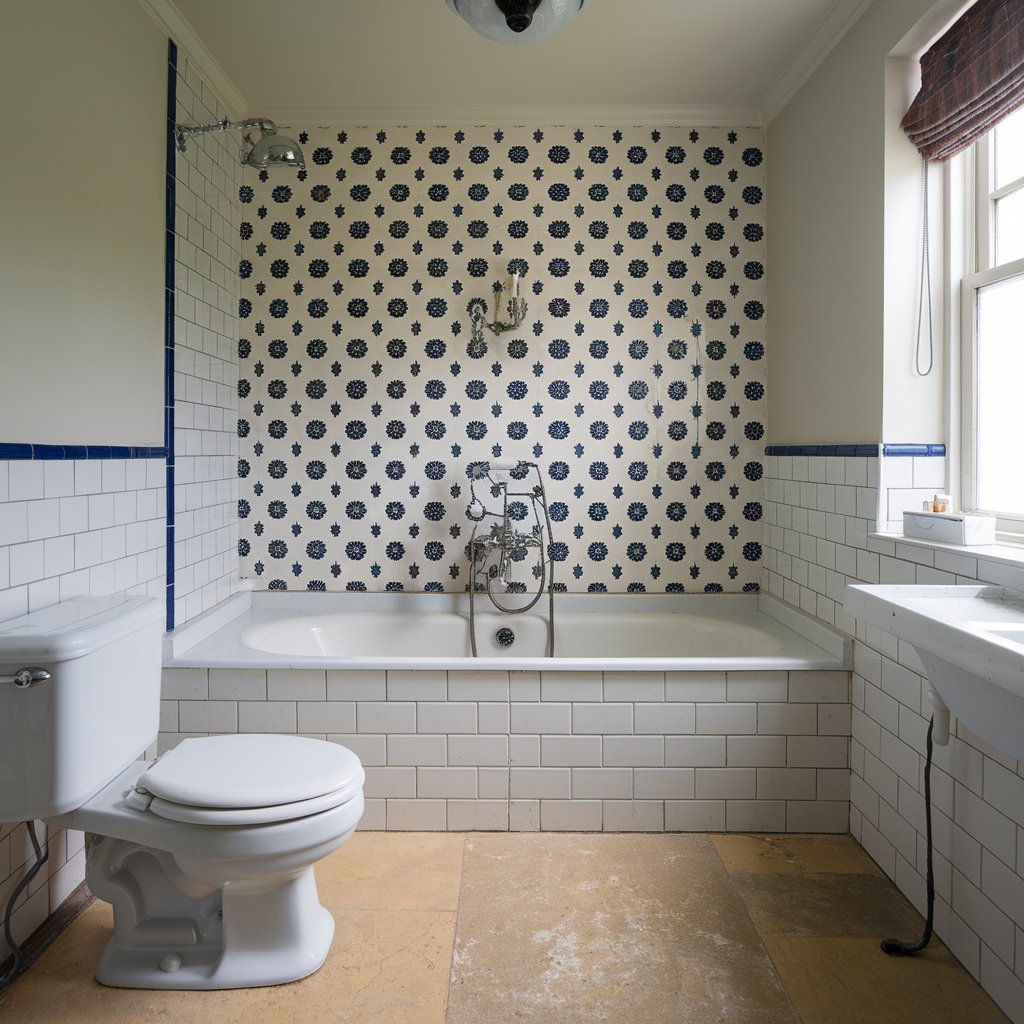
Types of Bathroom Fixtures and Fittings
When choosing bathroom fittings and fixtures, homeowners can explore a variety of options like sinks, bathtubs, taps, and towel hooks.
Each of these elements can be made from materials such as brass, which is known for its durability and classic appeal.
Proper installation is key to ensuring these fixtures and fittings function well and enhance the overall look of the bathroom.
Different types of bathroom fixtures (sinks, bathtubs, etc.)
Bathroom fixtures and fittings play a crucial role in both the functionality and aesthetic appeal of a bathroom. Among key bathroom fixtures are the sink, bathtub, shower, toilet, and countertop.
Sinks can be wall-mounted or freestanding, offering different styles and space-saving options. Bathtubs, available in freestanding or built-in designs, add luxury and relaxation. Showers come in various types, including walk-in and enclosed, catering to diverse preferences.
Toilets, often overlooked, are essential fixtures available in styles like wall-mounted for a sleek look. Taps, although technically fittings, are integral to these fixtures, ensuring efficient water flow and complementing the bathroom’s design. Selecting these types of bathroom fixtures helps you make informed decisions when redesigning your bathroom.
Types of bathroom fittings (taps, towel rails, etc.)
While often understated, bathroom fittings such as taps, rails, and soap dispensers significantly enhance both the functionality and style of a bathroom. These elements offer a wide choice in design, from sleek modern taps to classic towel rails, enabling customisation to suit any aesthetic. High-quality fittings resist wear and tear, complement the latest trends, and examples include mirrors, soap dispensers, and storage furniture. Selecting the right fittings can make your bathroom more luxurious, while also allowing for updates without major renovation.
Here’s a quick overview:
| Bathroom Fitting | Purpose | Design Choice |
|---|---|---|
| Taps | Water flow control | Modern, classic |
| Towel Rails | Towel storage | Wall-mounted, heated |
| Wall Cabinets | Storage solutions | Compact, stylish |
Brass and other materials for fixtures and fittings
Brass is favoured for bathroom fixtures and fittings because of its strength and enduring style.
As a quality material, brass offers both elegance and resilience, making it a top pick for various bathroom types. Being aware of the materials used can guide homeowners toward quality products. Selecting high-quality materials is an investment in your dream bathroom, ensuring that your bathroom suites remain functional, stylish, and long-lasting.
Here’s a list to consider:
- Brass: A durable, corrosion-resistant material ideal for bathroom fixtures.
- Stainless Steel: Offers a modern look and is rust-resistant.
- Plastic: Affordable and lightweight, but less durable.
- Ceramic: Provides a traditional feel with long-lasting use.
Each type presents unique advantages, emphasising the importance of selecting suitable materials.
How to fit bathroom fixtures and fittings
When installing bathroom fixtures and fittings, being familiar with the types available is essential to creating a functional and attractive space.
To fit a modern look, start by choosing appropriate sink styles and shower curtains that complement the design.
For a successful bathroom renovation, ensure rails and other fittings are securely fixed. Towel rails, for instance, should be installed at convenient heights. Shower curtains need proper rods to prevent water spillage.
Various sink styles, like pedestal or wall-mounted, can be selected to suit space requirements. Careful selection and installation of these elements ensure a cohesive and functional bathroom environment.
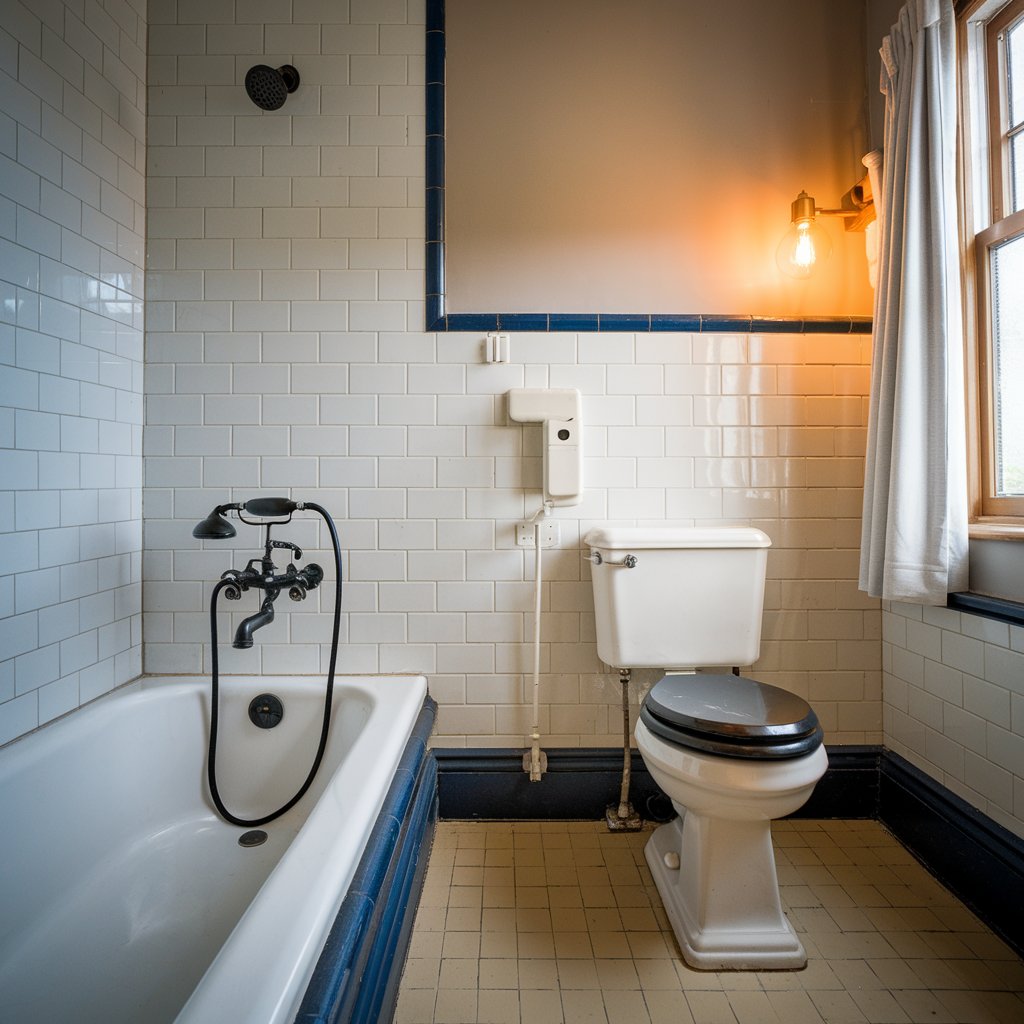
Choosing the Right Fixtures and Fittings
Choosing the right bathroom fixtures and fittings can transform any space into a functional and stylish retreat.
It’s important to consider both the style that suits your taste and the budget you have in mind.
Choosing the Right Bathroom Fixtures and Fittings: What to Consider
Selecting the right bathroom fixtures and fittings can transform a mundane space into a personalised oasis.
To choose the right items, consider the following factors:
- Storage Needs: Assess the storage requirements to organise the interior efficiently. Practical solutions, like cabinets and shelves, help maintain a clutter-free area.
- High-Quality Materials: Opt for durable materials that withstand moisture and daily use, ensuring longevity.
- Functionality: Prioritise fixtures and fittings that enhance practicality, such as water-saving taps or adjustable showerheads.
- Space Optimisation: Select compact pieces to make the most of limited space, ensuring seamless movement within the bathroom.
Selecting the perfect bathroom fixtures and fittings based on style and budget
While balancing aesthetics and budget can seem daunting, it is entirely achievable with a thoughtful approach.
Selecting the perfect bathroom fixtures and fittings requires considering both style and functionality. Homeowners should first set a realistic budget to guide their choices.
Next, they can explore various styles, from sleek modern designs to classic elegance, ensuring the selection complements their overall bathroom theme.
Prioritising functional fixtures that meet daily needs without compromising style is key.
Conclusion
In conclusion, distinguishing between bathroom fixtures and fittings is key to designing a functional and stylish space. Fixtures, which include bathtubs, sinks, toilets, and toilet seats, are permanent installations, whereas fittings, such as taps and towel racks, are easily changeable. When planning a bathroom renovation, consider the style, budget, and space available to select the ideal combination of fixtures and fittings. By choosing wisely, one can create a harmonious and inviting bathroom that meets both practical needs and aesthetic preferences.